
Colorworks Express · Collision help
What to Do After a Collision
Take the next step. We’ll help with the repair plan.
A collision can leave you unsure where to start. This BC guide puts the immediate steps in order, then helps you reach our Colorworks Team for towing arrangements and collision repairs across Metro Vancouver and the Sea-to-Sky area.
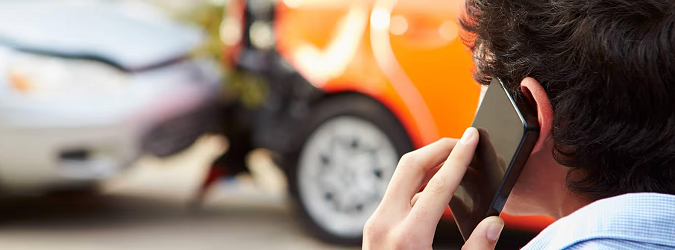
What to do after a collision: your first steps
1. Put safety first
Check for injuries. Move vehicles out of traffic only when it is safe. Follow emergency responders’ directions and avoid arguing about who caused the crash.
2. Save the details
Exchange driver and contact details, licence numbers, plate numbers and vehicle information. Record any out-of-province insurance details. Ask witnesses for their contact information.
3. Document the scene
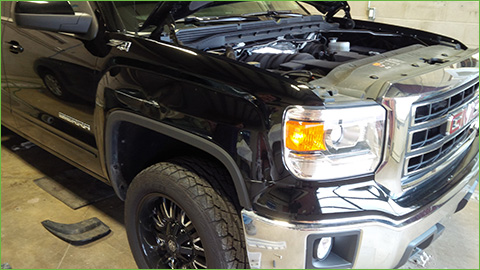
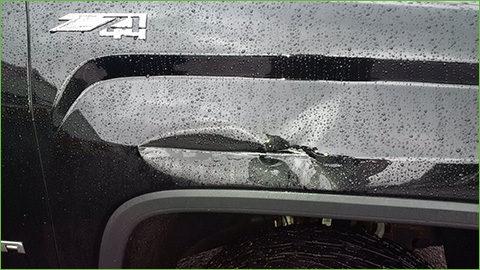
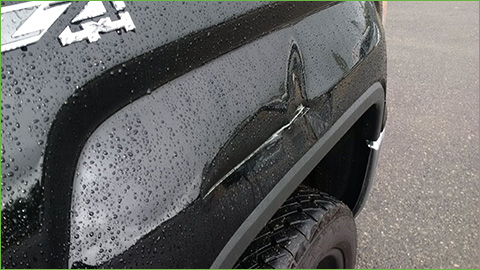
When safe, photograph vehicle damage, plates and the scene. Note the time, location, weather, lanes and travel directions. Keep relevant dashcam footage.
4. Report and plan
Report the claim to ICBC as soon as it is safe. Keep your claim number handy, then contact our team to discuss the repair assessment and whether the vehicle needs towing.
Not sure whether the car can be driven?
A car that starts is not necessarily safe to drive after a collision. Do not drive it if damage affects steering, braking, tires or visibility, or if parts are loose, fluids are leaking or airbags have deployed. If you are unsure, arrange professional help rather than testing it on the road.
Need a tow? We can help arrange it.
Contact our Colorworks Team with your vehicle’s location, the damage you can see and whether emergency services have already arranged a tow. Confirm the receiving shop and arrangements before the vehicle is moved.
Already at a towing or storage yard?
Ask for the yard’s name, address and contact number, and keep your receipts. Storage charges can accumulate daily. ICBC can explain whether towing and storage are covered and help with movement from the yard when applicable. Confirm the destination with the repair shop before arranging another tow.
Report the claim, then let us help with repairs
Report directly through ICBC’s official service. Keep your vehicle information, incident details, photos and witness information available. Once you have your claim number, share it with the repair advisor.
Who handles which part?
Our Colorworks Team can explain the assessment, repair plan and scheduling. ICBC confirms coverage, responsibility and deductibles. ICBC Repair Network facilities can usually estimate and repair a vehicle, although some claims require a claim-centre assessment first.
A clear repair plan, without the guesswork
Collision repair
Tell us what happened and what has changed with the vehicle. An assessment helps establish the repair scope, including damage that may not be obvious in a photograph.
ICBC Valet & vehicle concierge
For eligible ICBC Valet repairs, ask about vehicle concierge arrangements. Our team will explain what can be arranged for your location and claim.
Minor damage & private-pay repair
For smaller damage, request a written estimate and compare it with your confirmed insurance options. There is no single repair price that makes the right decision for every driver.
Paying for your own repair does not remove reporting obligations or resolve someone else’s damage or injury claim. Our advisor can explain the repair estimate; your insurer confirms how your policy applies.
Find repair help for your area
Choose your city to reach the relevant repair options and shop contacts. We serve drivers from these areas through participating locations; a city guide does not mean there is a shop in every city.
What should I have ready when I contact Colorworks?
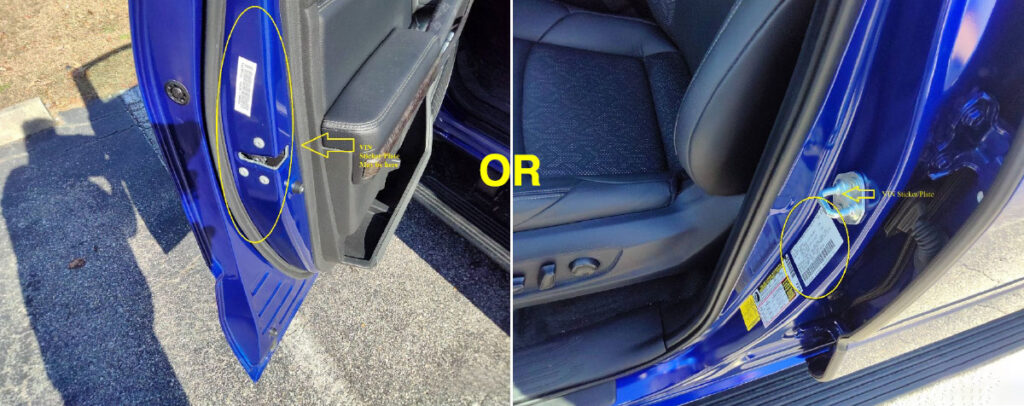
Have your name, callback number, vehicle year/make/model, current vehicle location and a brief damage description ready. Include your claim number if you have one. Tell us if the vehicle is at a towing yard, cannot be driven, or has a warning message. Send repair photos through the shop’s preferred channel; keep identity and insurance documents for the secure process your insurer requests.
Questions after a collision
Can Colorworks report my ICBC claim for me?
Report your claim directly to ICBC. Once you have a claim number, our Colorworks Team can help arrange the repair assessment and explain the next repair steps.
What if my vehicle has already been towed?
Find out which towing company has the vehicle, where it is stored and whether a claim number has been provided. Contact ICBC about coverage and release arrangements, and confirm the repair destination with the shop before arranging another tow.
Can I pay for a minor repair myself?
You can request a private-pay estimate. Compare the repair scope and cost with your confirmed coverage and deductible. Paying for your own damage does not remove reporting obligations or settle another person’s damage or injury claim.
Is vehicle concierge available for every repair?
Vehicle concierge is part of the ICBC Valet service. Ask our Colorworks Team about eligibility and arrangements for your claim; it is not a standard inclusion with every private-pay repair.