How Professional Paint Matching Works: Explaining the Science Behind Why the New Door Won’t Look “Slightly Off” in the Canadian Sun

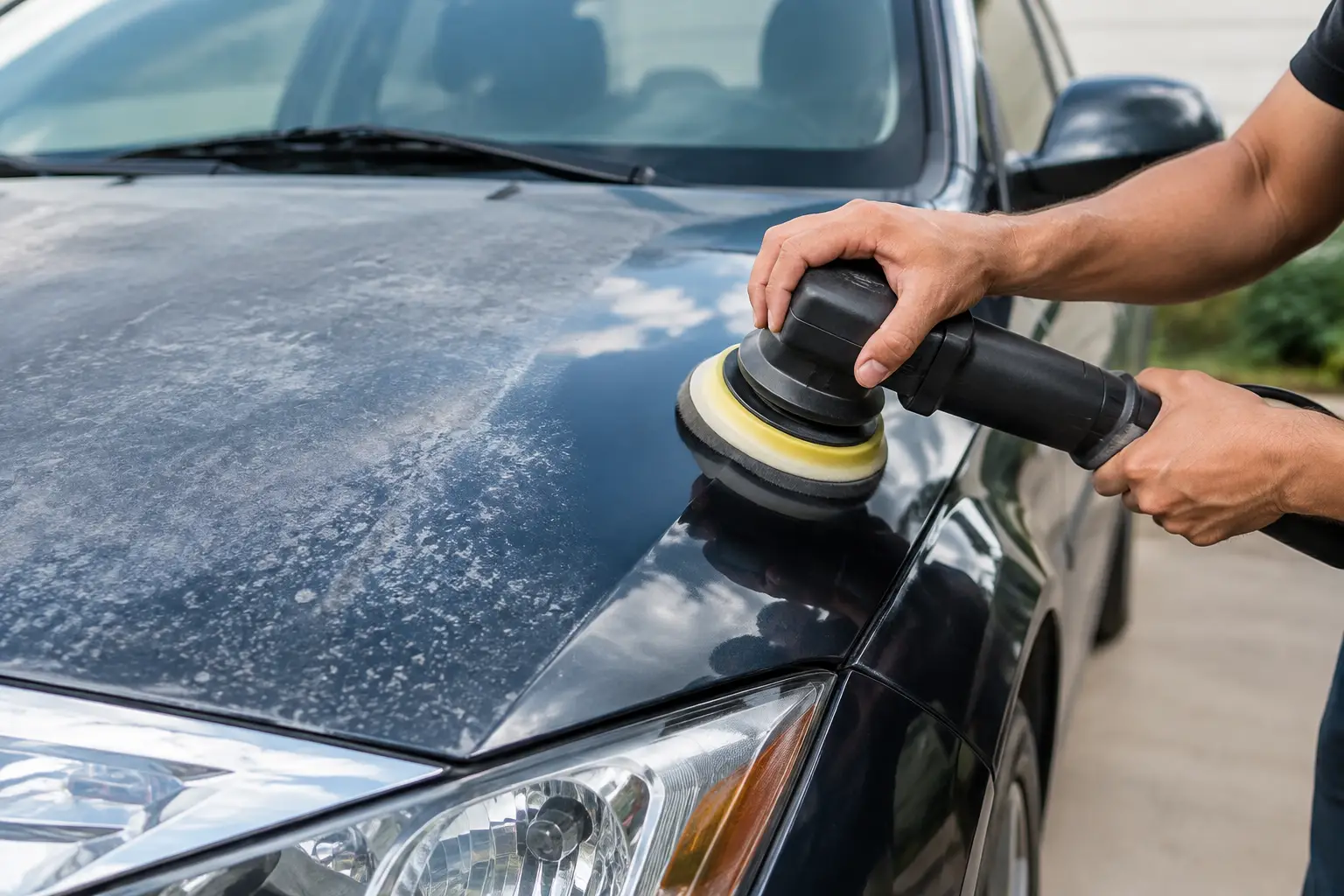
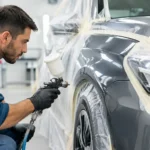
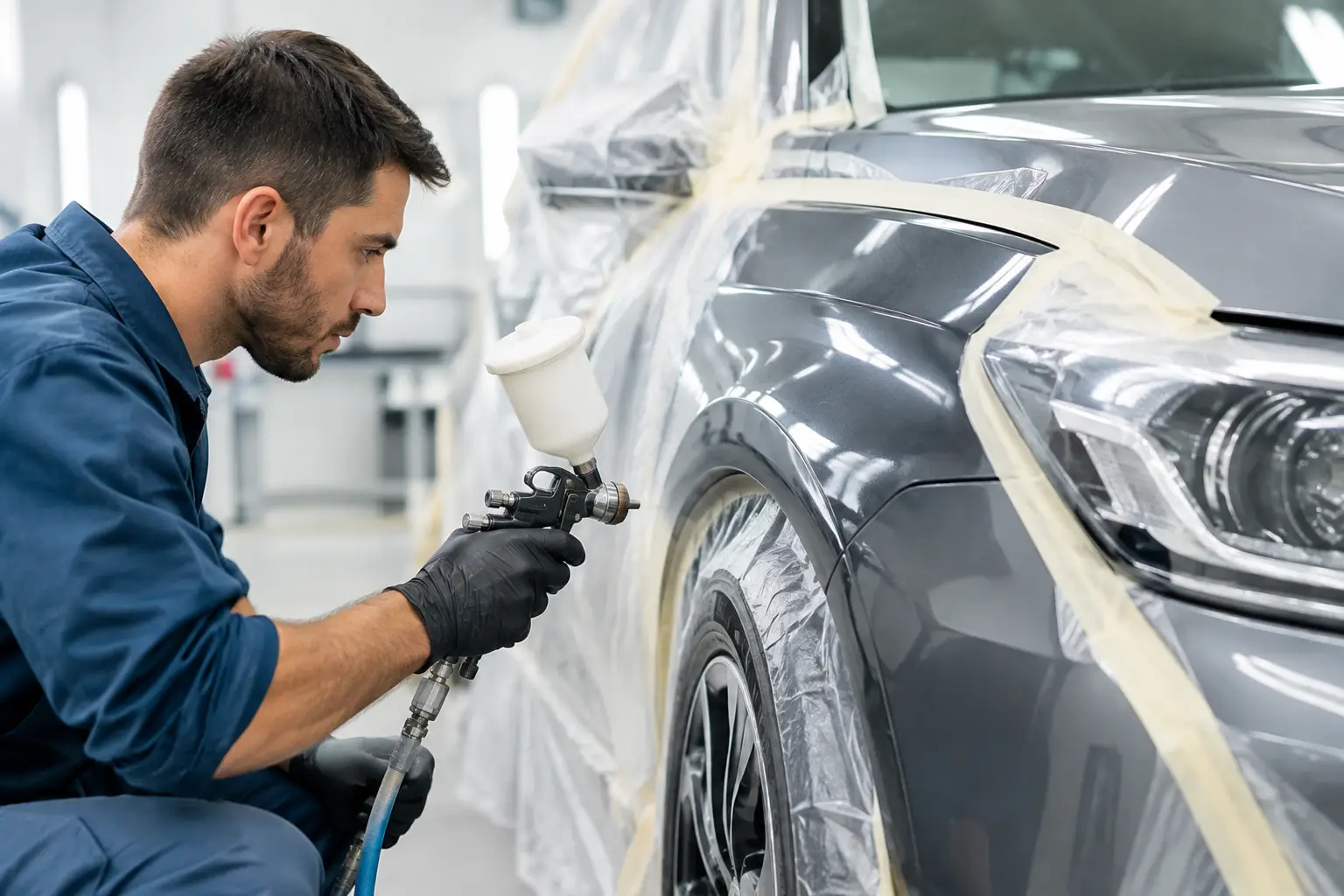
We’ve all seen it: a car driving down the Trans-Canada Highway with a passenger door that is almost the right shade of silver, but in the afternoon sun, it sticks out like a sore thumb. At Colorworks Express Autobody Centers, we know that “close enough” isn’t good enough. When you bring your vehicle to us, you’re not just getting a coat of paint; you’re getting a precision-engineered color match designed to withstand the unique rigors of the Canadian climate. Here is the science behind how we ensure your car looks seamless from every angle. 1. The Factory Code is Only the Starting Point Every vehicle has a manufacturer’s paint code (usually found on the door jamb or under the hood). While this tells us the “recipe” used at the factory, it’s rarely the final answer. 2. The “Magic” of the Spectrophotometer To get a perfect match, we don’t just rely on the human eye (which can be fooled by lighting). We use a spectrophotometer—a high-tech camera that analyzes the depth, flake, and pigment of your existing paint. 3. Mastering Metamerism Have you ever bought a shirt that looked blue in the store but purple in the parking lot? That’s metamerism.

Read More »

The Hidden Sensors: Why a Simple Bumper Repair Now Requires ADAS Recalibration

In the past, a minor “fender bender” was strictly a cosmetic concern—a bit of body filler, some fresh paint, and your car was as good as new. However, for modern Canadian drivers, the bumper has evolved from a simple plastic sacrificial shield into a “smart skin” packed with sophisticated technology. Hidden just beneath that outer layer are the eyes and ears of your vehicle, known as Advanced Driver Assistance Systems (ADAS). When a bumper is impacted, even if the exterior damage looks negligible, the delicate alignment of these sensors can be disrupted, making professional recalibration a critical safety requirement rather than an optional add-on. Because these systems rely on precision, a shift of even a few millimeters can cause your safety features to fail or provide “ghost” warnings. During a standard bumper repair, our technicians must ensure the following components are perfectly synced: Ignoring recalibration after a collision isn’t just a technical oversight; it’s a significant safety risk on unpredictable Canadian roads. A misaligned sensor might not “see” a pedestrian in time or could incorrectly trigger your brakes while driving at high speeds. At our shop, we use specialized diagnostic tools to reset these systems to factory specifications, ensuring your

Read More »

Springing Forward: Is Your Car Ready for the Post-Winter Reveal?

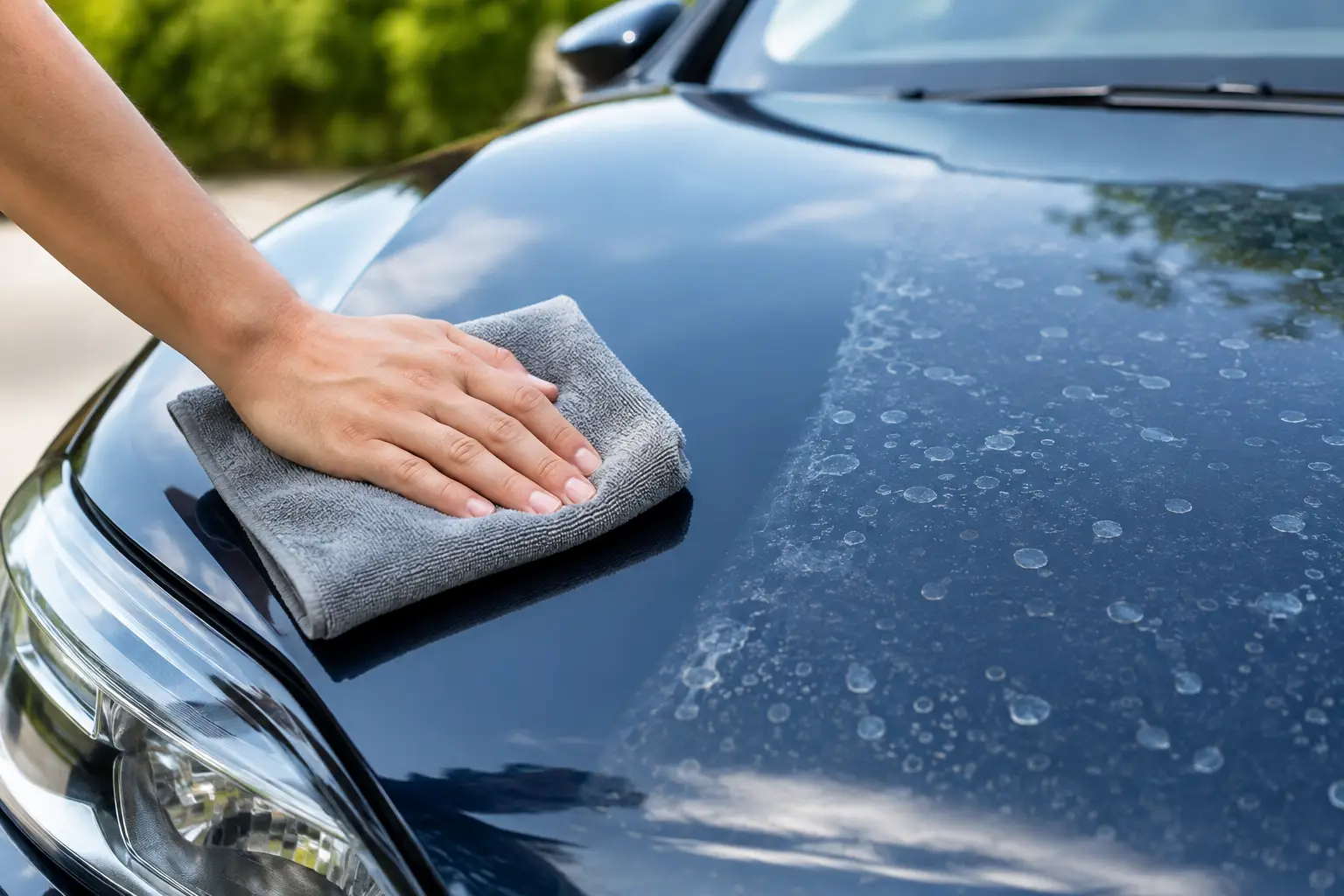
As the snow finally retreats across Canada, it reveals more than just the pavement—it uncovers the “battle scars” your vehicle earned over a long winter. Between the relentless road salt and the fluctuating temperatures, your car’s exterior has likely taken a significant beating. At Colorworks Express Autobody Centers, we know that late March and April are the most critical months for preventing minor winter wear from turning into permanent structural damage or unsightly rust. Now is the time to wash away the winter grime and take a closer look at what lies beneath. This is the season when “small” issues quickly escalate if left unaddressed. Before the spring rains set in, it’s essential to perform a quick visual inspection of your vehicle’s health. Keep an eye out for these common Canadian springtime culprits: Don’t let a winter’s worth of wear devalue your investment or compromise your vehicle’s safety. Whether it’s a quick Paintless Dent Repair (PDR) to pop out a parking lot mishap or a precision bumper restoration, Colorworks Express Autobody Centers specializes in getting you back on the road with a finish that looks like it never saw a snowflake. We pride ourselves on fast turnaround times and expert

Read More »

What is the Safest Lane to Drive in on the Highway?

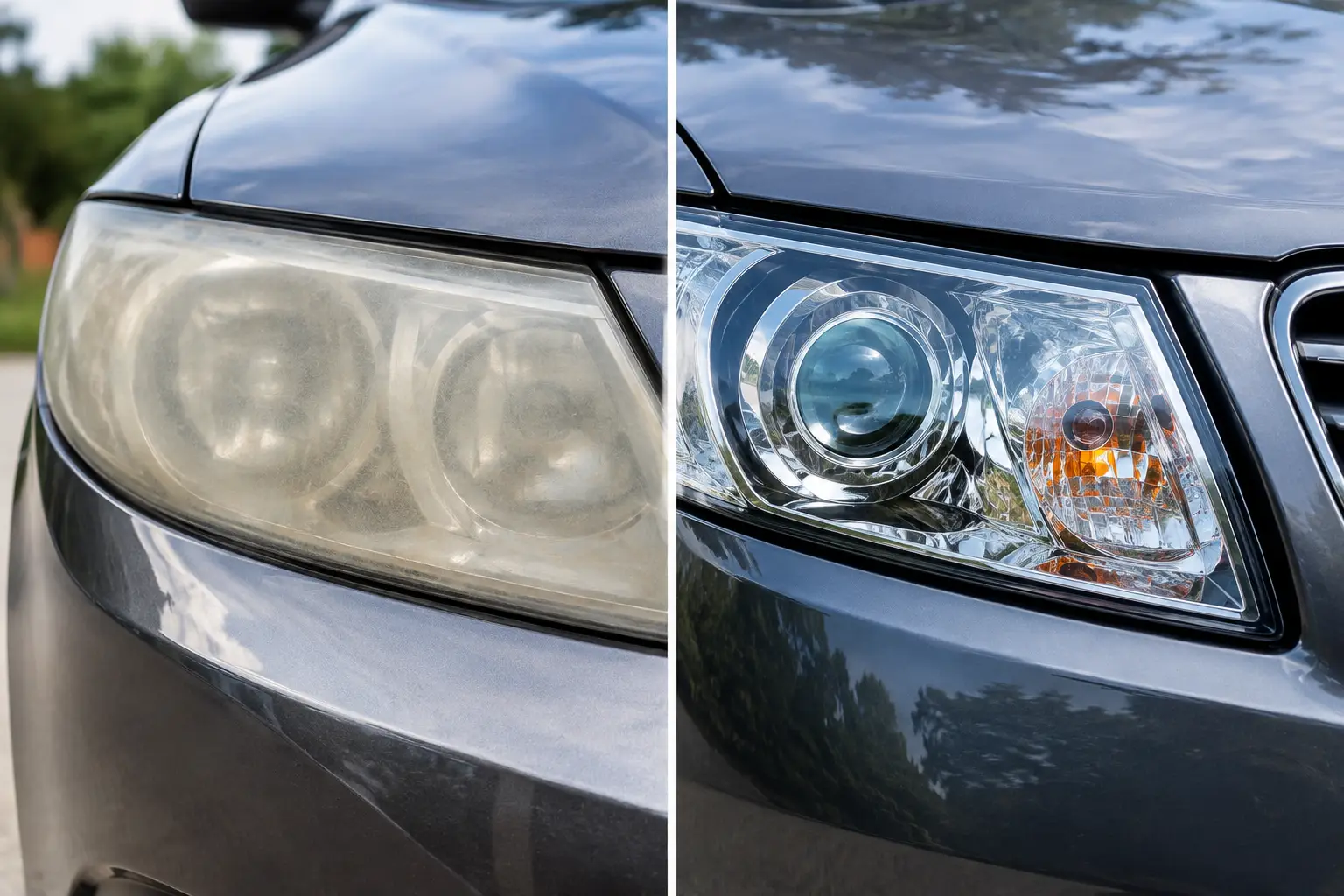
Choosing the right lane on the highway isn’t just about speed—it’s about survival and protecting your vehicle from costly damage. At Colorworks Express Autobody Centers, we see firsthand how quickly a highway commute can turn into a trip to the collision repair shop. While most Canadian drivers are taught to “keep right,” safety experts often recommend the middle lane (on a three-lane highway) as the safest place to be. This “lane of least resistance” offers you the most escape routes if an emergency occurs, keeps you away from merging traffic on the right, and distances you from the aggressive passing and potential head-on risks associated with the far-left lane. Maintaining a safe position on the road can significantly reduce your chances of needing paintless dent repair or major collision service. To maximize your safety while cruising the 400-series or Trans-Canada highways, keep these tips in mind: Even the most cautious drivers can find themselves in a “fender bender” due to road debris or another driver’s mistake. Whether you’ve encountered a stray stone that requires paint correction or a more serious impact needing full-frame collision repair, our expert technicians are here to help. We specialize in SMART repairs (Small and Medium

Read More »

Damage Picture Tips

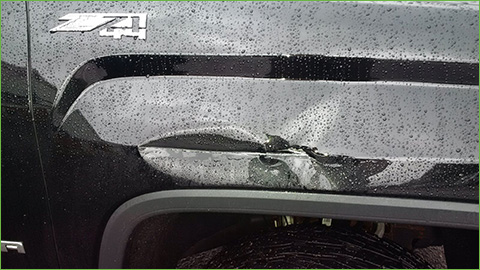
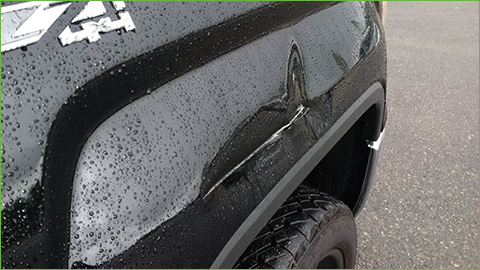
To help us better assess your damage, please use the following tips to take the best pictures possible to send us. Try and keep the resolution from medium to high. You can attach up to 5 pictures.
Take a picture from a distance so that we can see where the damage is in relation to your vehicle.
Take a close up, so we can see more of the detail of the damage.
A close up from another angle is always useful as well so we can see where the damage is in relation to other panels.

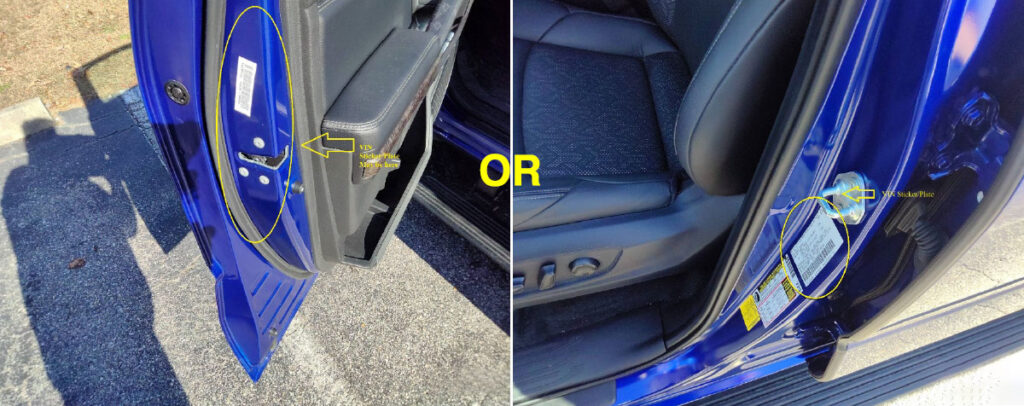
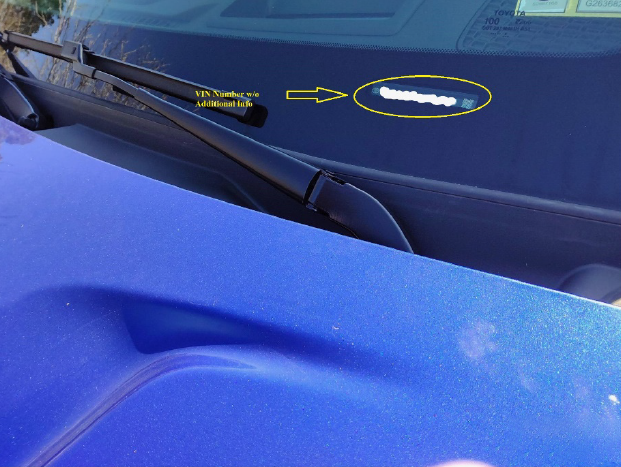
What is a VIN Number & Where to Find it

A VIN, or Vehicle Identification Number, is a unique 17-character alphanumeric code used to identify a vehicle. It acts as a vehicle’s fingerprint, containing information about its manufacturer, year, make, model, and other key specifications.

PLEASE NOTE: Your vehicle’s VIN# does not include any personal information about you.

Two pictures to show where to locate your vehicle VIN number.
picture to show where to locate your vehicle VIN number.