

Choosing the Right Fit: OEM, Aftermarket, and Used Parts Explained

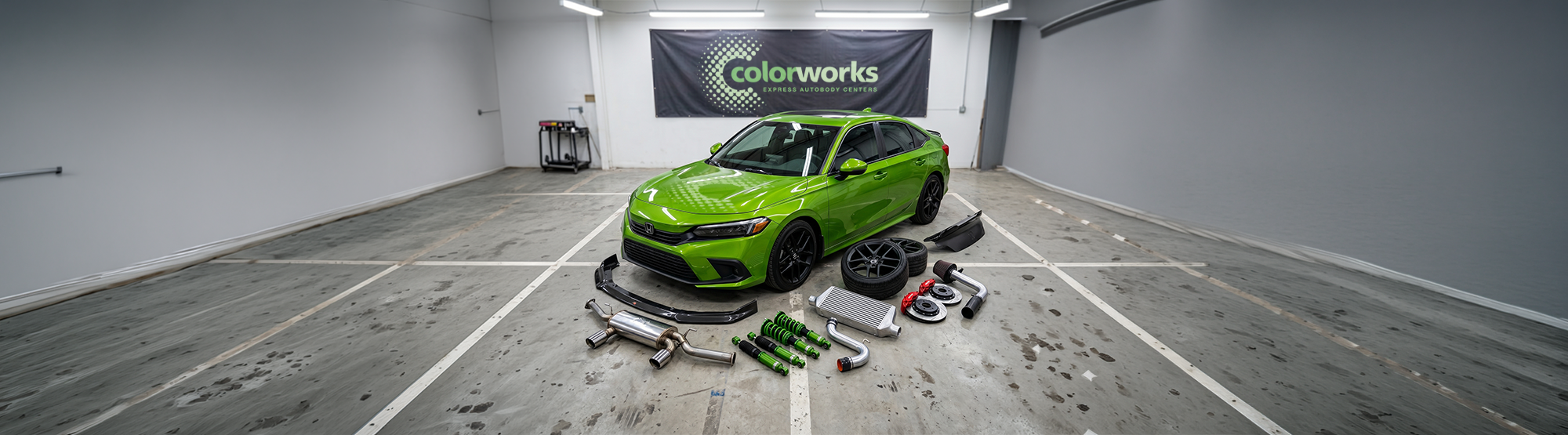
When you bring your vehicle into Colorworks Express Autobody Centers, we know that the technical jargon can feel a bit overwhelming. One of the most important decisions you’ll make during the repair process involves the type of parts used to bring your car back to its former glory. Understanding the terminology is the first step in ensuring your vehicle remains safe and retains its value. Generally, the industry categorizes replacement components into three main buckets: The “best” choice usually depends on your specific situation—including your insurance policy, your budget, and the age of your vehicle. While a brand-new car might demand the exact precision of an OEM part to maintain its warranty, a high-quality aftermarket or used part can be a savvy way to save money on a trusty daily driver without sacrificing safety. Our team at Colorworks is dedicated to transparency, helping you weigh these options so you can make an informed decision. At the end of the day, our priority at Colorworks Express Autobody Centers is getting you back on the Canadian roads with total peace of mind. Whether we are swapping out a bumper or realigning a frame, we use our expertise to ensure every component—regardless of

Read More »

How Professional Paint Matching Works: Explaining the Science Behind Why the New Door Won’t Look “Slightly Off” in the Canadian Sun

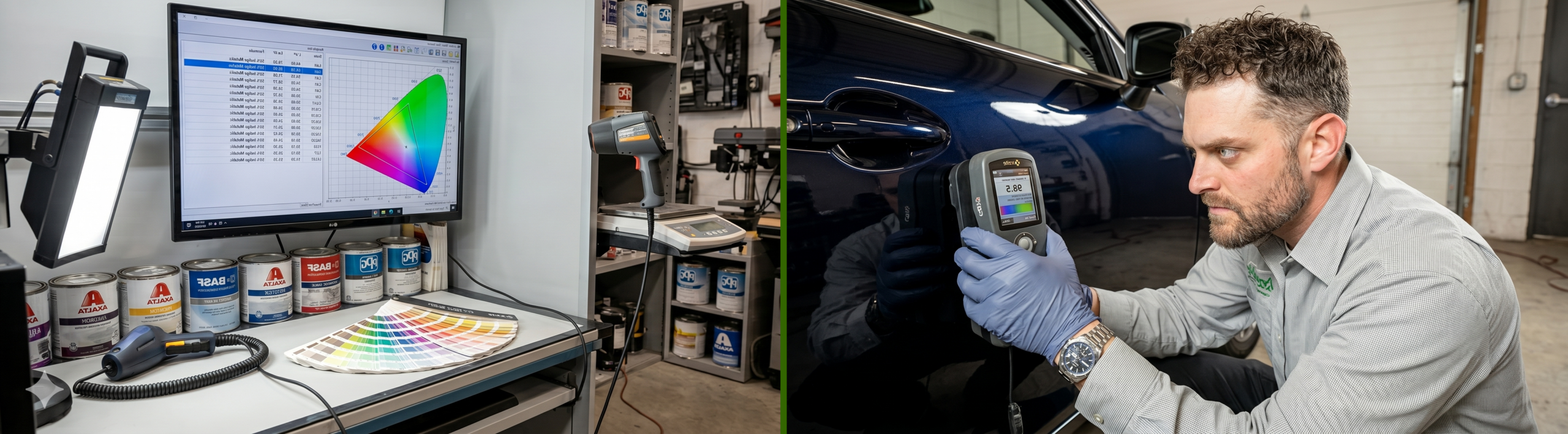
We’ve all seen it: a car driving down the Trans-Canada Highway with a passenger door that is almost the right shade of silver, but in the afternoon sun, it sticks out like a sore thumb. At Colorworks Express Autobody Centers, we know that “close enough” isn’t good enough. When you bring your vehicle to us, you’re not just getting a coat of paint; you’re getting a precision-engineered color match designed to withstand the unique rigors of the Canadian climate. Here is the science behind how we ensure your car looks seamless from every angle. 1. The Factory Code is Only the Starting Point Every vehicle has a manufacturer’s paint code (usually found on the door jamb or under the hood). While this tells us the “recipe” used at the factory, it’s rarely the final answer. 2. The “Magic” of the Spectrophotometer To get a perfect match, we don’t just rely on the human eye (which can be fooled by lighting). We use a spectrophotometer—a high-tech camera that analyzes the depth, flake, and pigment of your existing paint. 3. Mastering Metamerism Have you ever bought a shirt that looked blue in the store but purple in the parking lot? That’s metamerism.

Read More »

The Hidden Sensors: Why a Simple Bumper Repair Now Requires ADAS Recalibration

In the past, a minor “fender bender” was strictly a cosmetic concern—a bit of body filler, some fresh paint, and your car was as good as new. However, for modern Canadian drivers, the bumper has evolved from a simple plastic sacrificial shield into a “smart skin” packed with sophisticated technology. Hidden just beneath that outer layer are the eyes and ears of your vehicle, known as Advanced Driver Assistance Systems (ADAS). When a bumper is impacted, even if the exterior damage looks negligible, the delicate alignment of these sensors can be disrupted, making professional recalibration a critical safety requirement rather than an optional add-on. Because these systems rely on precision, a shift of even a few millimeters can cause your safety features to fail or provide “ghost” warnings. During a standard bumper repair, our technicians must ensure the following components are perfectly synced: Ignoring recalibration after a collision isn’t just a technical oversight; it’s a significant safety risk on unpredictable Canadian roads. A misaligned sensor might not “see” a pedestrian in time or could incorrectly trigger your brakes while driving at high speeds. At our shop, we use specialized diagnostic tools to reset these systems to factory specifications, ensuring your

Read More »

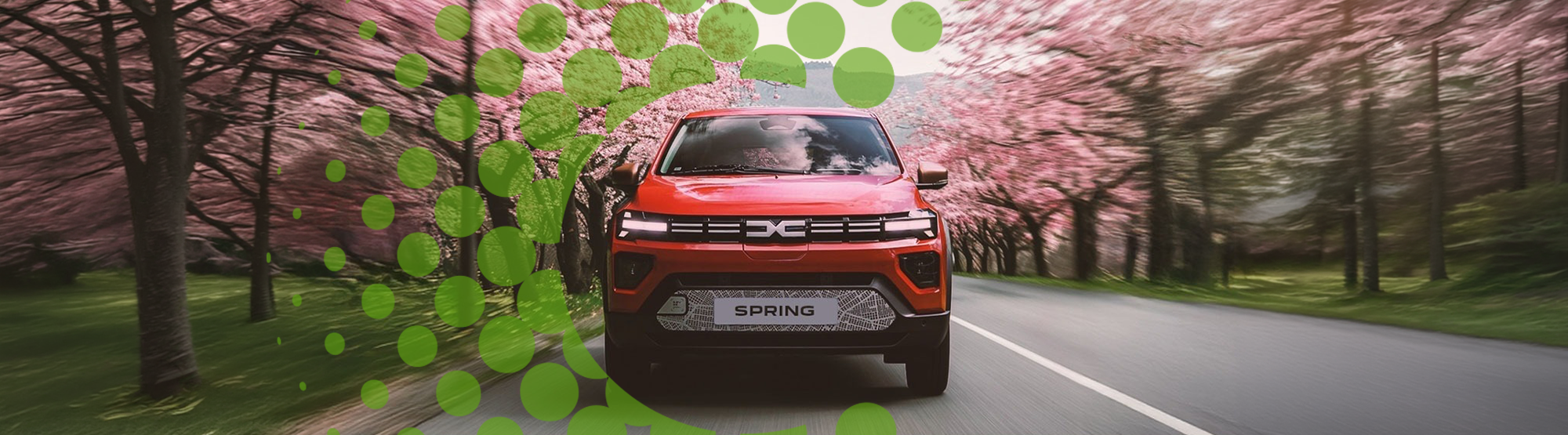
Springing Forward: Is Your Car Ready for the Post-Winter Reveal?

As the snow finally retreats across Canada, it reveals more than just the pavement—it uncovers the “battle scars” your vehicle earned over a long winter. Between the relentless road salt and the fluctuating temperatures, your car’s exterior has likely taken a significant beating. At Colorworks Express Autobody Centers, we know that late March and April are the most critical months for preventing minor winter wear from turning into permanent structural damage or unsightly rust. Now is the time to wash away the winter grime and take a closer look at what lies beneath. This is the season when “small” issues quickly escalate if left unaddressed. Before the spring rains set in, it’s essential to perform a quick visual inspection of your vehicle’s health. Keep an eye out for these common Canadian springtime culprits: Don’t let a winter’s worth of wear devalue your investment or compromise your vehicle’s safety. Whether it’s a quick Paintless Dent Repair (PDR) to pop out a parking lot mishap or a precision bumper restoration, Colorworks Express Autobody Centers specializes in getting you back on the road with a finish that looks like it never saw a snowflake. We pride ourselves on fast turnaround times and expert

Read More »

Damage Picture Tips

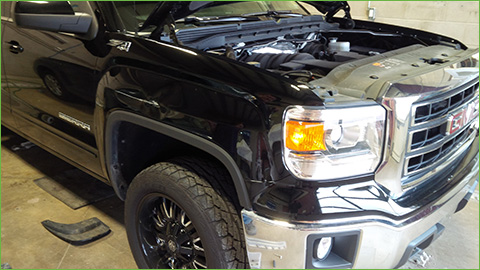
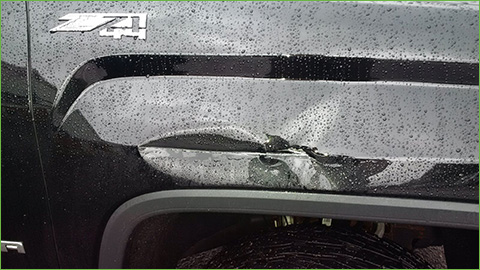
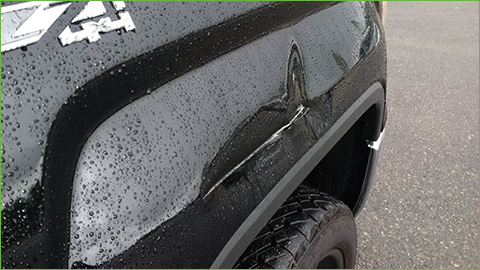
To help us better assess your damage, please use the following tips to take the best pictures possible to send us. Try and keep the resolution from medium to high. You can attach up to 5 pictures.
Take a picture from a distance so that we can see where the damage is in relation to your vehicle.
Take a close up, so we can see more of the detail of the damage.
A close up from another angle is always useful as well so we can see where the damage is in relation to other panels.

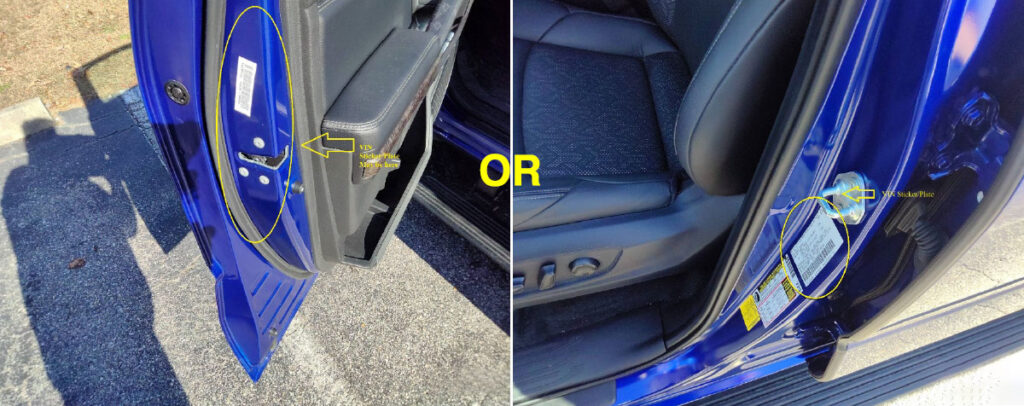
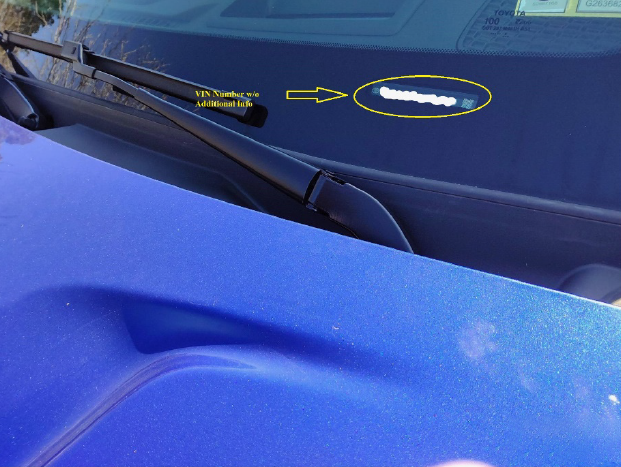
What is a VIN Number & Where to Find it

A VIN, or Vehicle Identification Number, is a unique 17-character alphanumeric code used to identify a vehicle. It acts as a vehicle’s fingerprint, containing information about its manufacturer, year, make, model, and other key specifications.

PLEASE NOTE: Your vehicle’s VIN# does not include any personal information about you.

Two pictures to show where to locate your vehicle VIN number.
picture to show where to locate your vehicle VIN number.