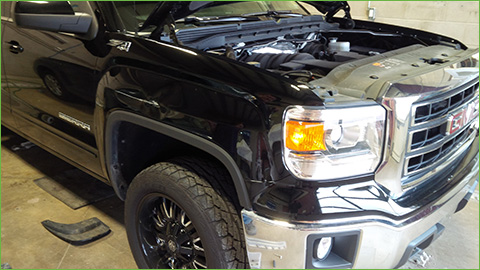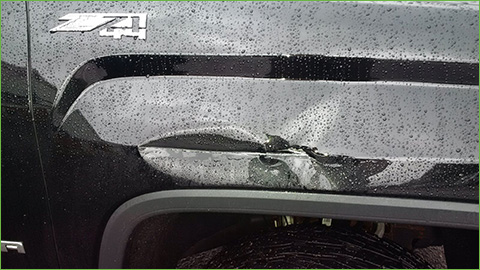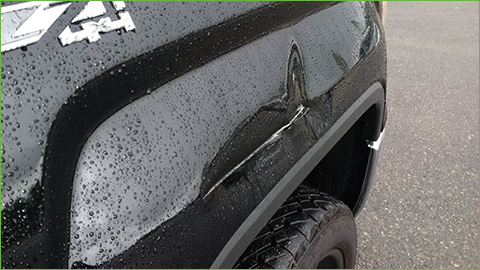


We’ve all seen the viral videos: someone magically fixing a huge dent with a bathroom plunger, or buffing out a deep scratch using minty toothpaste and a bit of elbow grease. While these internet “hacks” might seem like a quick, cost-effective way to bypass the body shop, they almost always lead to DIY autobody repair disasters. What most of these quick-fix videos conveniently leave out is the immediate aftermath. Household items and makeshift tools are simply not designed to interact with delicate automotive clear coats, advanced factory paints, or modern lightweight vehicle panels. When you attempt a home remedy, you risk stripping away crucial protective layers, warping the metal even further, or causing microscopic abrasions that invite aggressive rust down the line. Instead of saving a few dollars, these temporary illusions usually escalate minor cosmetic issues into expensive, irreversible damage that requires full panel replacement or heavy repainting.
Before you raid your bathroom cabinet or garage for a DIY fix, it is critical to understand the real damage these popular internet tricks can inflict on your car. Consider the hidden costs and consequences of these incredibly common online “hacks”:
- The Toothpaste Polish: Toothpaste acts as a harsh abrasive. While it might mask a minor scuff temporarily, it aggressively scratches the surrounding clear coat, permanently dulling your paint and leaving it entirely vulnerable to harsh Canadian weather and road salt.
- The Toilet Plunger Dent Puller: Trying to forcibly pop out a dent with a standard plunger can overstretch modern automotive alloys and severely crack the surrounding paint, instantly transforming a simple dent into a massive, multi-stage repair project.
- The Boiling Water Trick: Pouring scalding hot water on a plastic bumper to soften and reshape it can permanently warp the structural shape, destroy vital internal parking sensors, and cause the factory paint to bubble and peel away.
When it comes to protecting the value and safety of your vehicle, leaving it to the professionals is the only way to guarantee a seamless, long-lasting repair. At Colorworks Autobody Centers—a proudly Canadian business with over 35 years of experience—our certified technicians have the advanced technology and proper tools to do the job right the first time. Whether you need express autobody repair for a minor scratch or full-service collision restoration, we provide cost-effective, warranty-backed solutions that restore your vehicle to factory standards without the guesswork. Don’t let a well-intentioned internet hack turn into a costly nightmare. Visit us at https://www.colorworks.ca/locations to find a location near you across Alberta, British Columbia, or Ontario, and request your free estimate today so you can get back on the road with total confidence.
For information on getting on the path to own a Colorworks franchise, Click here.