

We’ve all experienced that sinking feeling: you walk out to your vehicle in a Canadian parking lot and spot an unwelcome line marring your otherwise flawless paint. Before you panic, it’s important to understand the difference between a superficial surface scratch and a deep, structural scrape. The easiest way to diagnose the damage is the classic “fingernail test.” If you gently run your fingernail across the blemish and it glides smoothly without catching, you’re dealing with a minor clear-coat scratch. These superficial marks—often caused by automatic car washes, overgrown hedges, or stray road debris—only affect the transparent protective top layer of your vehicle. Because the underlying paint remains completely intact, these minor clear-coat blemishes can typically be buffed and polished out to restore your car’s original showroom shine.
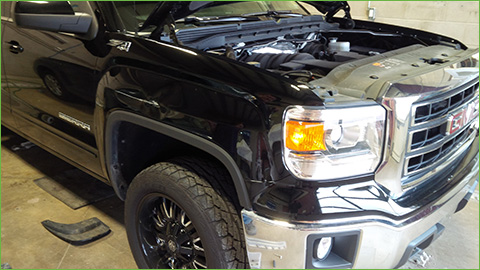
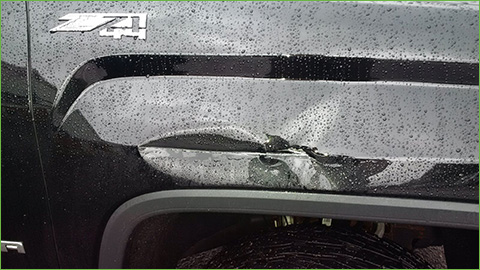
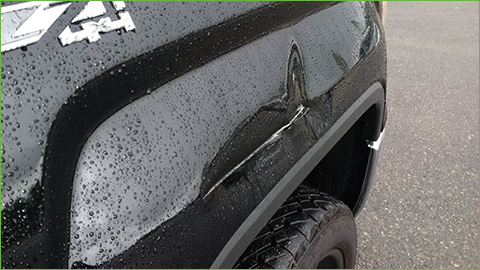
However, when a blemish cuts deeper into your vehicle’s skin, it crosses the line into a scrape that requires professional intervention. Scrapes penetrate through the clear coat, bypassing the paint layer and exposing the primer or even bare metal beneath. Typically caused by runaway shopping carts, tight parking garage pillars, or minor fender benders, these deep gouges leave your vehicle highly vulnerable to moisture, harsh Canadian winter road salt, and eventual rust. You can easily spot when a blemish requires a professional touch-up by checking for these warning signs:
- The fingernail catch: Your nail distinctly drops or snags into a deep groove.
- Color changes: You can see white, grey, or black primer peeking through the colored paint.
- Exposed metal: Shiny or rusted metal is visible at the base of the scratch.
- Jagged texture: The edges of the blemish feel rough, raised, or severely uneven to the touch.
Leaving deep scrapes untreated won’t just hurt your car’s curb appeal; it can drastically reduce its resale value and compromise the body panel over time. Fortunately, restoring your vehicle’s finish doesn’t have to mean losing your car to a shop for weeks. At Colorworks Express Autobody Centers, we specialize in high-quality, budget-friendly paint correction and SMART (Small and Medium Area Repair Technique) paint repairs that precisely target the damage without the high cost of replacing entire panels. Whether your vehicle needs a professional machine polish to smooth out surface scratches or a multi-layered, perfectly color-matched factory touch-up to seal a deep scrape, our expert technicians across British Columbia, Alberta, and Ontario will deliver flawless results and peace of mind in just 1 to 3 days.
The first step is to find a Colorworks location near you. Click here.