

A vehicle can be mechanically sound and still feel tired every time you walk up to it. Swirl marks show in the sun, winter grime settles into the carpet, and a once-glossy finish starts looking flat. Professional auto detailing Burlington drivers choose is about more than making a car look clean for the afternoon. It is a practical way to restore the surfaces you see and touch every day while helping protect the value of your vehicle.
For Burlington commuters, families, leaseholders, and owners who take pride in their vehicle, the right detailing plan depends on what is actually happening to the paint, interior, and trim. A quick wash may be enough after a messy week. But embedded contamination, stained upholstery, hazy headlights, and dull paint need a more deliberate approach.
What Professional Auto Detailing in Burlington Should Address
A proper detail starts with an inspection, not a preset package. The condition of the vehicle matters more than its age alone. A newer SUV that spends its life outside may need paint decontamination and protection sooner than an older weekend car that is garaged and carefully maintained.
Exterior work often begins with a thorough wash that safely removes loose dirt, road film, salt residue, and brake dust. From there, the detailer can assess the finish closely. Tiny orange specks on light-colored paint, for example, may be bonded iron particles rather than ordinary dirt. A gritty feel on the paint can indicate contamination that a standard wash cannot remove.
Interior detailing is equally useful, especially in vehicles that carry children, pets, work gear, or daily coffee runs. Vacuuming alone does not always address ground-in dirt, salt marks, spills, odors, or the buildup that collects around consoles, door panels, and seat seams. The goal is a clean, comfortable cabin without using harsh products that leave surfaces greasy or overly shiny.
The best service is not necessarily the most extensive one. If the paint is already in excellent condition, a light polish and quality protection may be the sensible choice. If the finish has obvious scratches and circular wash marks, paint correction may deliver a far more noticeable result.
Paint Correction Brings Back Depth and Gloss
Many drivers describe their paint as “faded” when the color is still there but the clear coat has lost clarity. Fine scratches, improper washing, automatic car-wash brushes, and everyday contact can create a web of marks that scatters light. In direct sun, those marks make even a recently washed vehicle look dull.
Paint correction is a careful polishing process that reduces or removes defects in the clear coat. It is not the same as applying wax to hide imperfections temporarily. A technician evaluates the paint, chooses the appropriate pad and polish combination, and works methodically to improve gloss while preserving as much clear coat as possible.
There is a trade-off worth understanding. Deeper scratches may not disappear completely without removing more material than is advisable. In those cases, a responsible recommendation may be to reduce the appearance of the damage rather than chase a perfect result at the expense of long-term paint health. That is the kind of practical guidance vehicle owners deserve before any work begins.
Paint correction is particularly worthwhile before ceramic coating because a coating helps preserve the condition underneath it. It will not erase existing swirls, chips, or scratches. Starting with a clean, corrected finish makes the final result look richer and gives the protection a better foundation.
Ceramic Coatings: Protection, Not a Force Field
A nano-ceramic coating creates a durable protective layer that improves water beading, makes routine washing easier, and helps the finish stay cleaner between washes. It can also add a crisp, glossy look that owners of newer vehicles often want to preserve.
Still, ceramic coating is not a substitute for careful driving or maintenance. It does not make paint immune to rock chips, parking-lot dents, deep scratches, or collision damage. It also needs proper prep work. Applying a coating over contamination or neglected paint may lock in problems rather than solve them.
For a daily driver, coating can make a lot of sense when the owner wants easier upkeep and longer-lasting protection. For a lease return approaching soon, a targeted polish and reconditioning service may be the better investment. The right choice depends on how long you plan to keep the vehicle, where it is parked, and the condition of the finish today.
Interior Care That Makes Daily Driving Better
A clean interior changes the experience of using your vehicle. Clear glass improves visibility. Fresh, well-cleaned seats make a commute feel less worn down. Removing salt residue from carpets and mats helps prevent that chalky, neglected look that is common after a Canadian winter.
Professional interior detailing should be tailored to the materials in your vehicle. Leather needs gentle cleaning and appropriate conditioning, not a product that makes it slippery. Fabric seats may need extraction for spills and stains. Plastic and vinyl trim need cleaning that leaves a natural finish rather than a heavy coating that attracts dust.
Odors deserve an honest assessment as well. Surface cleaning can improve many common smells, but persistent odors from moisture, smoke, pet accidents, or spills may require deeper treatment. Addressing the source is more effective than masking it with fragrance.
For resale or lease return, interior condition can make a meaningful difference. Scuffed trim, stained carpets, pet hair, and neglected cup holders are small details that shape a buyer’s or inspector’s impression of the whole vehicle. Reconditioning them before an assessment gives you more control over the outcome.
Do Not Overlook Headlights, Wheels, and Small Cosmetic Issues
Detailing is often part of a bigger appearance plan. Yellowed or cloudy headlights can make a vehicle look older and can reduce nighttime visibility. Headlight restoration removes oxidation and restores clarity when the lenses are suitable for repair. It is often a more cost-effective option than replacing an entire headlight assembly.
Wheels and tires also make a major visual difference. Brake dust can bake onto wheel surfaces, while neglected tire sidewalls turn brown or gray. Careful cleaning helps restore a well-kept appearance without using aggressive products that may damage delicate finishes.
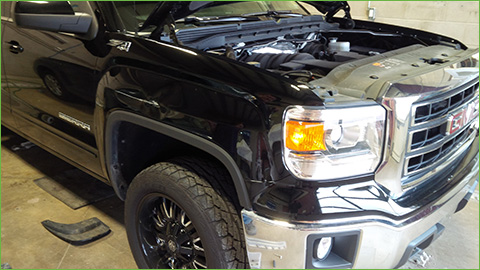
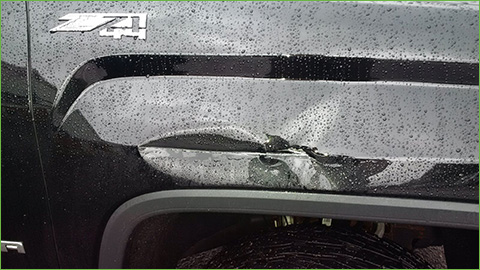
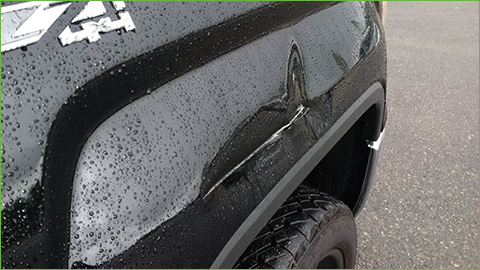
Then there are the dents, bumper scuffs, and paint scratches that detailing cannot correct. A detail can make a car look dramatically better, but it cannot reshape metal or rebuild missing paint. When cosmetic damage is visible, combining detailing with paintless dent repair, express paint repair, or bumper scuff repair can produce a more complete result. It also means you are not paying for a full panel repaint when a smaller, appropriate repair will do.
How Often Should You Detail Your Vehicle?
There is no single schedule that works for every Burlington driver. A vehicle kept outdoors, driven daily on highways, and used by an active family will need attention more often than a lightly used garage-kept car. Many owners benefit from a professional detail once or twice a year, with regular washing and interior cleanup in between.
Seasonal timing matters. A spring detail can remove the residue left by winter driving and prepare the paint for warmer weather. A fall detail can clean the vehicle thoroughly before another season of salt, slush, and wet boots. If you have ceramic protection, maintenance washes are still necessary, but they are typically easier and more effective when performed properly.
The most useful first step is a clear conversation about your goals. Are you preparing for a lease return? Trying to protect a new purchase? Selling a vehicle? Or simply tired of seeing scratches and stains every day? At Colorworks Express Autobody Burlington, a free estimate can help identify whether your vehicle needs focused detailing, paint correction, cosmetic repair, or a combination of services.
A clean vehicle is satisfying, but the right detailing work delivers something more lasting: confidence that your car looks cared for, is protected where it can be, and is ready for the miles ahead.