

The final few weeks of a lease can feel expensive before you have even handed over the keys. Lease return car inspection repairs give you a chance to correct visible damage on your terms, rather than accepting whatever charges appear on the leasing company’s final report. The goal is not to make a used vehicle look factory-new. It is to address the damage most likely to be classified as excess wear and billed back to you.
For Burlington drivers, that often means dealing with parking-lot dents, bumper scrapes, wheel scuffs, windshield chips, faded headlights, and paint scratches that accumulated during daily commuting. A pre-return inspection from a trusted repair shop can turn uncertainty into a clear plan, with practical repair options and a straightforward estimate.
What Happens During a Lease Return Inspection?
At lease return, the vehicle is reviewed for its overall condition, mileage, maintenance history, and visible wear. Normal use is generally expected. A few light marks in high-use areas may be acceptable, especially on an older lease. Damage that is deep, widespread, unsafe, or clearly noticeable from a normal viewing distance is more likely to trigger a charge.
The exact standards depend on your leasing company and vehicle agreement. That is why it is smart to review the return guide supplied by the lender instead of relying on a friend’s experience with a different brand. Some companies have specific limits for tire tread, windshield damage, dents, and scratches. Others may be more flexible in one area and stricter in another.
A professional pre-inspection does not replace the leasing company’s inspection. It helps you see your vehicle through the same practical lens before the official appointment. You can then decide which repairs are worth completing and which marks fall within normal wear.
Lease Return Car Inspection Repairs Worth Considering
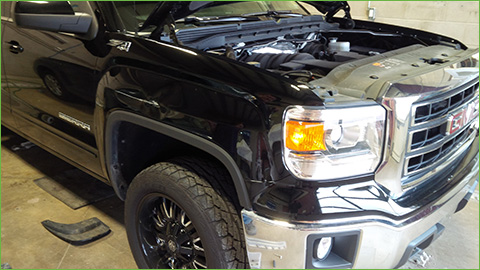
Cosmetic damage is where many leaseholders can make the biggest difference. These repairs are often faster and more affordable than people expect, particularly when the damage is localized.
Bumper scuffs and paint scratches
Bumpers take the most abuse in everyday driving. A scrape from a low parking curb, a garage wall, or another vehicle’s bumper can look minor, but exposed primer, cracked paint, or a clearly visible scuff may be noted at return.
An express bumper repair can often restore the affected area without replacing the entire bumper cover. The right approach depends on the depth and location of the damage. Light surface transfer may polish out. Deeper scratches may need sanding, color matching, and refinishing. Replacing a bumper is sometimes necessary, but it should not be the automatic answer for every scrape.
Dents and door dings
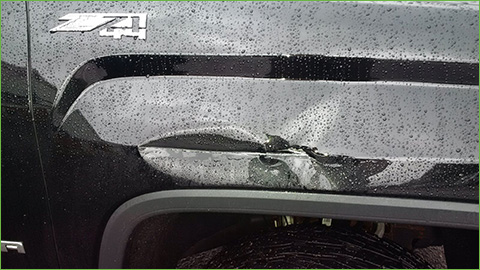
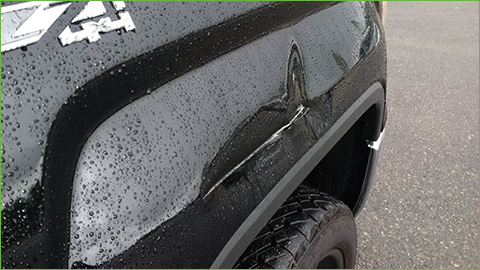
A clean door ding with intact paint may be a strong candidate for paintless dent repair. This method carefully reshapes the metal from behind the panel or with specialized pulling techniques, avoiding unnecessary filler and paintwork. It is particularly useful for small dents caused by shopping carts, neighboring car doors, or hail.
Paintless dent repair is not right for every dent. Sharp creases, damaged paint, stretched metal, or dents near the edge of a panel can require conventional body repair. A proper assessment matters because an inexpensive-looking shortcut is not a good value if the finished result remains obvious.
Wheel rash and tire condition
Curb rash on alloy wheels is one of the most common lease return issues. The leasing company may charge for severe gouges, peeling finish, bent wheels, or tires that do not meet its tread-depth requirements. A wheel can often be repaired and refinished when the damage is cosmetic, while a bent or cracked wheel needs a safety-focused evaluation.
Do not wait until the final day to check your tires. If replacements are needed, you will have time to compare options that meet your lease requirements. Mixing worn tires with one new tire or choosing the cheapest available option can create complications, especially on all-wheel-drive vehicles.
Windshield chips and headlight damage
A small windshield chip can spread quickly with temperature changes and road vibration. Addressing it early may prevent a simple repair from becoming a windshield replacement. Cracks, chips in the driver’s direct line of sight, and damage near the edge of the glass deserve prompt attention.
Cloudy, yellowed headlights can also affect the vehicle’s appearance and nighttime visibility. Headlight restoration can improve clarity when the lenses are oxidized but otherwise sound. If the housing is cracked, leaking, or heavily damaged, restoration alone may not be enough.
Paint defects and neglected finish
Swirl marks, light oxidation, sap residue, and dull paint are not always lease penalties on their own. Still, a thorough detail and paint correction can make the whole vehicle present better during inspection. It can also reveal whether a mark is superficial or whether it has cut through the clear coat and needs repair.
Be realistic about what detailing can fix. Polishing improves light scratches and gloss. It cannot erase deep scratches that catch a fingernail, cracked paint, or a dent beneath the surface. A reputable shop should explain that difference clearly before recommending a service.
What You May Not Need to Repair
Not every imperfection deserves your repair budget. Light wear on interior touch points, minor stone chips, and small marks consistent with the age and mileage of the vehicle may be acceptable. Your lease guide is the best reference, and photos taken before return can help document the vehicle’s condition.
It also depends on the cost comparison. If a repair will cost more than the likely return charge, paying for it privately may not make sense. But do not assume the dealer will be cheaper or more forgiving. Leasing companies can charge administrative fees, replacement costs, and higher-than-expected rates for damage. A free estimate before the return gives you useful information, even if you decide not to proceed.
A Smart Timeline Before You Hand Over the Keys
Start preparing four to six weeks before the scheduled return date. This leaves room to complete repairs, order tires if needed, gather service records, and handle any unexpected findings. Waiting until the final few days limits your choices and may force you to accept rushed work or dealership pricing.
First, clean the vehicle inside and out. Remove personal items from the glove box, cargo area, center console, and under-seat storage. Then inspect it in daylight from several angles. Look closely at the bumper corners, doors, rocker panels, wheels, windshield, mirrors, and headlights. Take clear photos of anything you are unsure about.
Next, review the lease-end condition guide and schedule the lender’s pre-return inspection if one is offered. Bring that information to your repair estimate. The more specific the standards are, the easier it is to focus on repairs that genuinely protect you from avoidable charges.
Finally, keep your paperwork. Receipts for repairs, maintenance, tire purchases, and windshield work may be useful if there is a question about the vehicle’s condition. They also show that you addressed issues professionally rather than simply covering them up.
Choose Repairs That Look Right and Last
Lease preparation is not the place for a quick fix that looks fine only from across the parking lot. Poor color matching, overspray, visible sanding marks, or rushed touch-up work can attract more attention during an inspection than the original damage.
At Colorworks Express Autobody Burlington, the focus is on repair methods that fit the damage and your timeline, from paintless dent repair and bumper scuff repair to polishing, detailing, and headlight restoration. Many minor cosmetic repairs can be completed in one to three days, helping leaseholders prepare without losing their vehicle for weeks.
Before you return your lease, get a clear view of what is repairable, what is normal wear, and what is likely to cost you. A thoughtful inspection and quality cosmetic work can make the handoff feel less like a gamble and more like the final, well-managed step of your lease.