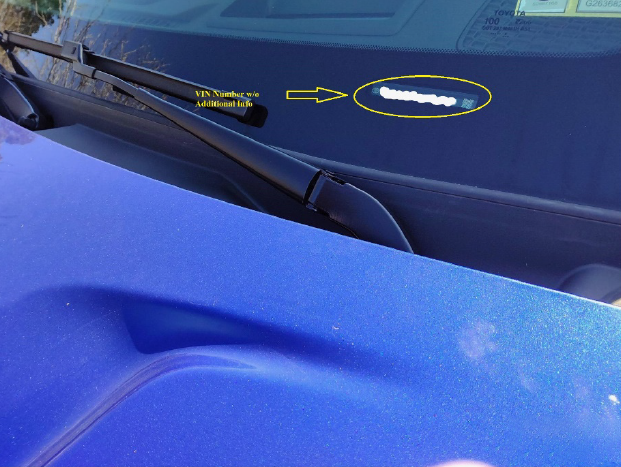

A dull, chalky hood can make an otherwise well-kept vehicle look years older than it is. To fix oxidized car paint professionally, the goal is not simply to make the surface shine for a day. It is to determine how much healthy clear coat remains, remove the damaged material safely, and protect the finish so the problem does not return quickly.
Oxidation is common on vehicles that spend years outdoors, especially on horizontal panels such as hoods, roofs, and trunk lids. Sun, heat, road film, salt, and neglected protection slowly break down the paint’s outer surface. The good news is that many vehicles can be substantially improved with professional paint correction. The important qualifier is many, not all.
What Oxidized Paint Really Looks Like
Oxidized paint usually appears faded, cloudy, rough, or uneven. Dark paint can look gray and washed out, while red paint often loses depth and turns pinkish or chalky. White and silver vehicles may show less obvious fading, but the surface can still feel dry and lack the gloss it once had.
It is easy to confuse oxidation with dirt, water spotting, or clear-coat failure. Dirt and road film often wash away. Mineral deposits may need a specialized decontamination treatment. Oxidation is different because the top layer of the finish itself has degraded.
Clear-coat failure is more serious. If the surface is peeling, flaking, cracking, or showing distinct patches where the clear coat has lifted away from the color underneath, polishing cannot repair it. That panel will need refinishing. A professional inspection prevents money from being spent trying to polish paint that has already failed.
How Professionals Fix Oxidized Car Paint
A proper restoration is a measured process, not a one-product shortcut. The approach depends on the age of the vehicle, paint type, panel condition, and the amount of clear coat available to work with.
Start with a clean, decontaminated surface
Before any correction begins, the vehicle needs a thorough wash to remove loose dirt, traffic film, and salt residue. The paint is then assessed for embedded contaminants such as industrial fallout, tree sap, overspray, and brake dust. These particles can interfere with polishing and may cause additional scratching if they are dragged across the surface.
A clay treatment or chemical decontamination may be used when needed. This leaves the paint smooth enough for an accurate assessment and allows polishing pads to work evenly.
Measure and inspect the paint
Professional paint correction is as much about restraint as it is about results. A technician may use a paint thickness gauge to check the finish across each panel, particularly if the vehicle has been repainted in the past. This helps identify thin areas, prior bodywork, or panels that cannot safely tolerate aggressive correction.
The paint is also inspected under strong lighting. What looks like simple fading in the driveway can reveal deep scratches, etched water spots, or failed clear coat under shop lights. This inspection sets realistic expectations before work starts.
Correct the damaged top layer carefully
When oxidation is limited to the upper portion of an intact clear coat, machine polishing can restore clarity and gloss. A cutting compound removes a very small amount of damaged material, reducing oxidation, light scratches, haze, and swirl marks. The surface is then refined with a finishing polish to improve clarity and bring back a more even reflection.
This is not the same as applying a heavy wax to hide the issue. A temporary glaze can make paint look better briefly, but it does not remove oxidation. Professional correction addresses the damaged surface itself while preserving as much remaining clear coat as possible.
Some vehicles need only a single-step polish. Others need a more involved multi-stage correction. The trade-off is time and cost versus the level of improvement possible. A vehicle used for a lease return or resale may benefit from a practical enhancement, while a newer vehicle or enthusiast-owned car may justify a more detailed correction.
Protect the restored finish
Once the paint has been corrected, protection is essential. Without it, ultraviolet exposure and contaminants begin wearing down the surface again. Depending on the vehicle and how it is used, protection may include a quality sealant, wax, or ceramic coating.
A ceramic coating is not a repair for failed paint, and it cannot create clear coat where none remains. On sound, corrected paint, however, it can add durable protection, improve water behavior, and make regular washing easier. It is especially valuable for drivers who park outside or want to preserve the appearance of a newer vehicle.
When Polishing Is Not Enough
The most honest answer to paint oxidation is sometimes repainting. If clear coat is peeling, the color coat is exposed, or oxidation has progressed through the protective layer, no compound or coating can provide a lasting repair. Polishing a failing panel may improve its appearance temporarily, but it can also make the damaged areas more noticeable.
Refinishing allows the panel to be properly prepared, sealed, painted, and clear coated. This is often the right solution for a severely faded hood, roof, or trunk lid. A professional shop can also blend adjacent panels when necessary so the repair matches the vehicle as naturally as possible.
For Burlington-area drivers, the decision often comes down to condition and goals. If the vehicle is otherwise in excellent shape, repainting a failed panel can protect resale value and restore pride of ownership. If the car is approaching lease return, a targeted repair may be the most cost-effective way to avoid appearance-related charges. A clear estimate should explain both options rather than pushing a one-size-fits-all service.
Why DIY Oxidation Fixes Can Go Wrong
Store-bought oxidation removers can help in very mild cases, but they carry risks when the paint condition is unknown. Many products rely on abrasives, fillers, or oils. Used incorrectly, they can leave uneven gloss, create swirl marks, stain trim, or remove more clear coat than intended.
The biggest problem is that a driveway inspection cannot always tell the difference between surface oxidation and failing clear coat. An aggressive compound may make a panel look worse if the finish is already too thin. Household products, harsh scrub pads, and repeated hand polishing are especially risky on edges, body lines, and older repainted panels.
A professional has the lighting, tools, pad and polish combinations, and paint knowledge to tailor the process. That does not mean every vehicle needs a major correction package. It means the work should match the paint’s actual condition.
Keeping Oxidation from Returning
Paint restoration lasts longer when maintenance is simple and consistent. Regular washing removes contaminants that sit on the finish, especially after winter driving or long periods of outdoor parking. Use a pH-balanced automotive wash product, soft wash media, and clean drying towels rather than dish soap or abrasive brushes.
Parking in a garage or under cover reduces ultraviolet exposure, but not every owner has that option. In that case, maintaining a protective layer matters even more. A sealant, wax, or ceramic coating should be selected based on your vehicle, budget, and maintenance habits – not just the longest claim on a label.
Address chips and scratches promptly as well. Oxidation can accelerate where the finish has been damaged, particularly around the front edge of the hood, roofline, and bumper. Small repairs completed early are usually easier and less expensive than correcting widespread deterioration later.
Get a Clear Answer Before Choosing a Repair
The right repair begins with seeing the vehicle in person. At Colorworks Express Autobody Burlington, the focus is on explaining what can be corrected, what needs refinishing, and what will give you the best value for your vehicle. A faded finish can be frustrating, but it does not automatically mean a full repaint is required.
A professional assessment gives you a practical path forward, whether that is paint correction and protection, a targeted panel refinish, or a plan to improve the vehicle before a sale or lease return. The best result is not the shiniest finish on day one. It is a repair that looks right, fits your budget, and holds up to the miles ahead.