

The Salt vs. Steel War: How road salt accelerates rust and exactly how to wash your car in winter to prevent it

Living in Canada means accepting road salt as a necessary evil for safe winter driving, but that safety comes at a cost to your vehicle’s bodywork. Salt acts as a powerful electrolyte, which significantly speeds up the chemical reaction between iron, water, and oxygen—the trio responsible for rust. When road brine splashes onto your car, it lowers the electrical resistance of the moisture clinging to your steel components, allowing the oxidation process to occur much faster than it would with water alone. This “turbocharged” corrosion aggressively attacks unpainted surfaces first, meaning your undercarriage, wheel wells, and brake lines are often rotting away long before you see any orange bubbling on the exterior paint. Winning this war requires a strategic approach to washing your vehicle, even during the coldest months of the year. You should aim to wash your car at least once every ten days, prioritizing a touchless car wash with a high-pressure undercarriage spray. This specific feature is crucial because it blasts away the hidden salt deposits sitting on your frame and suspension that a standard hand wash often misses. If washing at home, use warm water to help dissolve stubborn salt crystals and focus the hose directly inside

Read More »

Rust Proofing 101: Oil spray vs. electronic modules – what actually works for Canadian winters?

As Canadian drivers, we know the seasonal drill: winter arrives, and our roads are instantly coated in a corrosive cocktail of salt, sand, and liquid brine that loves to eat away at vehicles. When it comes to defending your major investment against rust, the choices can be confusing, usually boiling down to the traditional oil-based spray versus the “high-tech” electronic module. Many of our customers ask us which option really stands up to our harsh northern climate. It’s a vital question because proper rustproofing isn’t just about keeping your car looking sleek; it’s about ensuring its structural integrity and maintaining its resale value over the long haul. Here is the honest truth from the auto body trenches: for standard passenger vehicles driving on salted roads, time-tested oil or wax-based sprays are vastly superior to electronic devices. Electronic modules rely on cathodic protection principles used successfully on ships, but they generally require the metal to be submerged in water to complete the circuit; they simply cannot offer adequate protection against intermittent salt spray in the open air. In contrast, a professional oil spray creates a durable physical barrier that coats the undercarriage and, crucially, “creeps” deep into hidden seams, spot welds,

Read More »
Headlight restoration service in progress on a car at Colorworks.

Headlight Restoration: Staying Safe During Dark Canadian Winters

As the days get shorter and the snow begins to fly, visibility becomes your most important safety asset on the road. Many Canadian drivers don’t realize that cloudy, yellowed headlights can reduce your night-time visibility by as much as 80%. This oxidation is caused by UV exposure and harsh road salts, creating a dangerous “fog” over your bulbs that scatters light instead of focusing it on the road. At Colorworks, we know that being able to spot a patch of black ice or a deer on a snowy highway is the difference between a safe trip and a costly accident. Professional headlight restoration is more than just an aesthetic upgrade; it is a critical safety maintenance step for the winter season. While many DIY kits offer a temporary “quick fix,” they often lack the industrial-grade UV sealant required to keep the plastic from yellowing again within weeks. Our professional restoration process at Colorworks involves a multi-stage sanding and polishing technique, finished with a high-durability clear coat specifically designed to withstand the Canadian climate. Here is why you should prioritize clear lenses this season: Don’t let a “foggy” lens compromise your safety this winter. Whether you are navigating the slushy streets

Read More »
Vehicle showing multiple hail-impact dents on its body panels after a hailstorm.

Hail Damage Repair: PDR vs. Traditional Body Work at Colorworks

Unpredictable Canadian weather can bring sudden hailstorms that leave your vehicle looking like a golf ball. When it comes to restoring your car’s exterior, the two main paths are Paintless Dent Repair (PDR) and traditional body repair. At Colorworks, our goal is always to use the least invasive method possible. PDR is often the “gold standard” for hail damage because it allows our technicians to massage dents out from behind the panel without the need for sanding, fillers, or repainting. This not only speeds up the process but also ensures your vehicle retains its original factory finish, which is crucial for maintaining long-term resale value. While PDR is incredibly effective for most hail-related dings, some storms are severe enough to require traditional auto body repair. If the hail was large enough to crack your paint or if the metal has been significantly stretched, a professional respray and panel work become necessary to prevent future rust and corrosion. Choosing between the two depends on the severity of the impact, and our certified team across Canada is trained to provide an honest assessment of which method is right for your specific situation. Here is how the two methods compare: Whether your car

Read More »

Damage Picture Tips

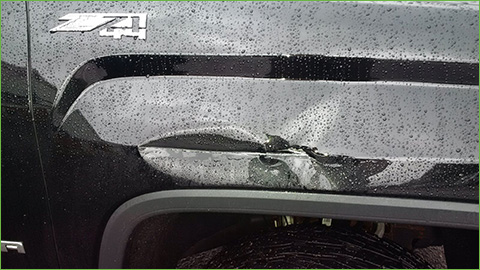
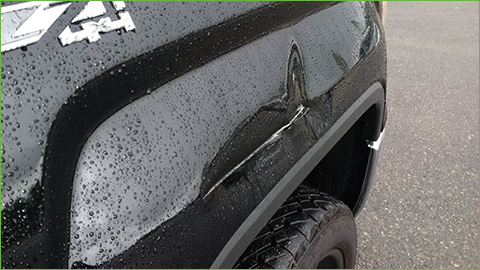
To help us better assess your damage, please use the following tips to take the best pictures possible to send us. Try and keep the resolution from medium to high. You can attach up to 5 pictures.
Take a picture from a distance so that we can see where the damage is in relation to your vehicle.
Take a close up, so we can see more of the detail of the damage.
A close up from another angle is always useful as well so we can see where the damage is in relation to other panels.

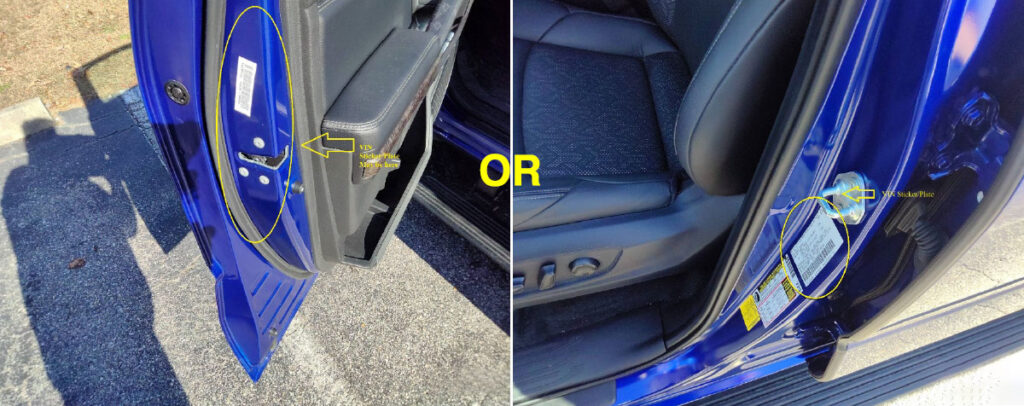
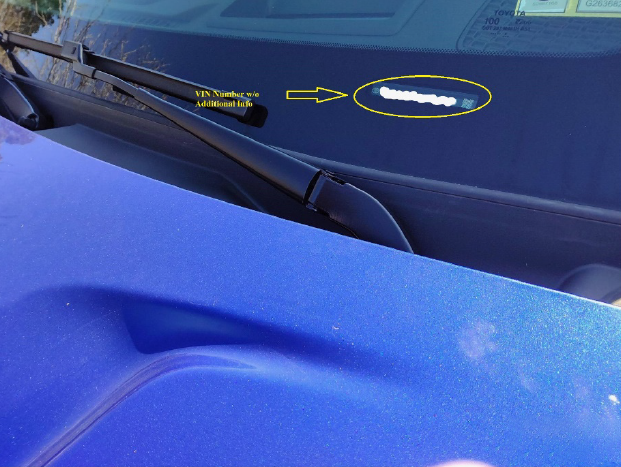
What is a VIN Number & Where to Find it

A VIN, or Vehicle Identification Number, is a unique 17-character alphanumeric code used to identify a vehicle. It acts as a vehicle’s fingerprint, containing information about its manufacturer, year, make, model, and other key specifications.

PLEASE NOTE: Your vehicle’s VIN# does not include any personal information about you.

Two pictures to show where to locate your vehicle VIN number.
picture to show where to locate your vehicle VIN number.