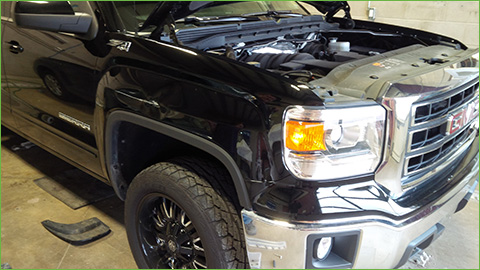


A parking-lot dent, scraped bumper, or low-speed fender bender can make a good vehicle look tired overnight. The right collision repair Burlington drivers choose is not always the biggest repair possible. It is the repair that addresses the actual damage, restores the vehicle’s appearance and safety, and makes sense for your budget, timeline, and insurance situation.
For many drivers, the stress starts before the estimate. Will the repair take weeks? Does every scratch need a full panel repaint? Should you file an insurance claim? A professional body shop should answer those questions clearly, without pressure, and show you the options before work begins.
Start by Looking Beyond the Visible Damage
Some damage is easy to assess. A bumper scuff from a garage wall, a door ding, or shallow scratches may be largely cosmetic. Other damage can look minor while affecting a bracket, parking sensor, headlight mount, wheel alignment, or panel fit.
After any impact, take clear photos in good light and note what happened. Check whether doors, the trunk, or the hood open and close normally. Look for loose trim, warning lights, fluid leaks, cracked lamps, or a bumper that no longer sits evenly. If the vehicle pulls to one side, makes a new noise, or has damage near a wheel, it should be inspected promptly rather than driven as usual.
A thorough estimate separates cosmetic concerns from structural or mechanical ones. That distinction matters. Repairing a surface scratch may be quick and cost-effective, while damage behind a bumper cover may require more involved inspection and parts replacement. A trustworthy shop explains why each step is necessary instead of treating every repair the same.
Collision Repair Burlington Options for Common Damage
Modern collision repair is not one process. The best method depends on the panel material, paint condition, location of the damage, and how deeply the impact traveled.
Dents without paint damage
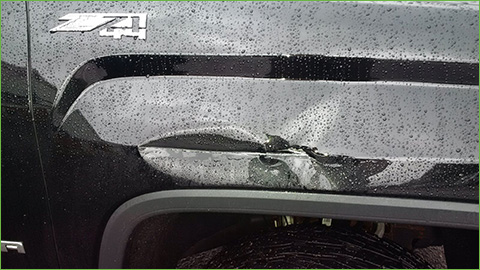
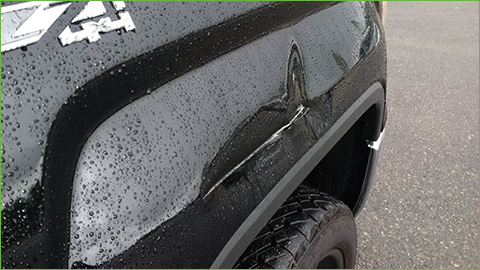
Paintless dent repair can be an excellent option when the paint is intact and the metal has not been sharply stretched. Using specialized tools, a technician carefully reshapes the panel from behind or through controlled access points. This can avoid filler and repainting, preserve the factory finish, and often reduce both cost and downtime.
It is not the right answer for every dent. A deep crease, damaged paint, panel edge dent, or aluminum panel may require conventional body repair. The important part is getting an honest assessment rather than being pushed toward a one-size-fits-all solution.
Scratches, scuffs, and bumper damage
Bumpers take a lot of everyday abuse. Shopping carts, curb contact, tight parking spaces, and minor rear-end impacts can leave scrapes that look worse than the underlying damage. If the bumper cover is sound, localized refinishing or an express paint repair may restore its appearance without replacing the entire part.
Deeper gouges, torn plastic, cracked mounting tabs, or sensor damage may call for repair or replacement. A quality result is about more than covering the mark. The bumper must fit correctly, sensors need to operate as intended, and the finish should blend naturally with adjoining panels.
Paint damage and faded finishes
Not every mark in paint needs repainting. Light clear-coat scratches, paint transfer, oxidation, and dullness can sometimes be improved through careful paint correction and polishing. This is especially useful when the damage is limited to the top layer of the finish.
When color has been removed or the scratch reaches primer, a properly prepared paint repair is usually the better long-term choice. Rushing this stage can lead to visible edges, poor adhesion, or a color mismatch that stands out every time the vehicle is parked in sunlight.
What a Fair Estimate Should Explain
An estimate should make the repair feel less mysterious. It should identify the damaged areas, recommend the repair method, and explain whether the price includes refinishing, materials, parts, blending, and any necessary calibrations or inspections.
Ask how the shop will approach paint matching. Factory paint can vary slightly from vehicle to vehicle because of age, sun exposure, production batches, and prior repairs. A skilled technician uses the vehicle’s paint code as a starting point, then accounts for the real condition of your finish. In some cases, blending into an adjacent panel creates a more natural result than painting only the damaged spot.
Turnaround time deserves the same level of clarity. Minor cosmetic work may be completed in one to three days, while collision repairs involving parts, hidden damage, sensor work, or multiple panels can take longer. Fast service is valuable, but it should never come at the cost of proper preparation, curing time, or final quality checks.
At Colorworks Express Autobody Burlington, the goal is to give drivers a clear, free estimate and recommend a repair that fits the condition of the vehicle. That may mean an express cosmetic repair rather than a larger, more expensive process when the damage does not require it.
Decide Carefully Before Filing an Insurance Claim
Insurance can be the right choice after significant collision damage, especially when repairs exceed what you can comfortably pay out of pocket. It can also be necessary when another driver is involved, liability must be documented, or there may be hidden safety-related damage.
For smaller dents, scuffs, and scratches, however, filing a claim is not automatically the best financial move. Compare the repair estimate with your deductible and consider the potential effect a claim could have on future premiums. A $1,200 repair with a $1,000 deductible may not provide much immediate benefit, particularly if the incident could influence your insurance record.
There is no universal answer because coverage, driving history, policy terms, and fault all matter. A body shop can provide a repair estimate and explain the work, while your insurer can clarify how a claim may apply to your policy. Getting the estimate first gives you useful information before making that decision.
Quality Shows Up in the Details
A vehicle can look acceptable from several feet away and still reveal a poor repair up close. Look at panel gaps around the hood, doors, trunk, and bumper. Check that trim is secure, lights sit evenly, and reflections in the paint appear smooth rather than wavy. If the vehicle has parking sensors, cameras, blind-spot systems, or advanced driver-assistance features, make sure the repair process accounts for them.
Paint quality matters well after pickup day. Proper cleaning, sanding, masking, preparation, color application, and curing all affect how the repair ages. A durable finish should not have obvious overspray, rough texture, dust nibs, or sharp tape lines around the repaired area.
Good shops also treat the vehicle with respect. Clear communication, realistic timelines, clean handoff, and a willingness to answer questions are part of the service. You should understand what was repaired and what care, if any, is recommended while fresh paint fully cures.
Protect Resale Value and Avoid Lease-Return Surprises
Small cosmetic issues often become more expensive when they are ignored. Exposed scratches can allow corrosion to develop, cloudy headlights reduce nighttime visibility, and bumper damage can become a lease-return charge if left until the last week of your term.
If you are preparing to sell or return a leased vehicle, schedule an inspection early. This leaves time to decide which repairs are worth completing. Paintless dent repair, bumper scuff repair, paint correction, detailing, headlight restoration, and targeted touch-ups can make a significant difference in presentation without paying for unnecessary work.
After repairs, regular washing and careful drying help protect the finish. If the vehicle spends long hours outdoors, a quality ceramic coating can add durable gloss and make cleanup easier. It is not a substitute for collision repair, but it can help preserve the work once the paint is restored.
The next time damage interrupts your day, do not let uncertainty make the decision for you. Get a clear assessment, ask practical questions, and choose the repair that brings your vehicle back to looking right while keeping your time and budget in view.