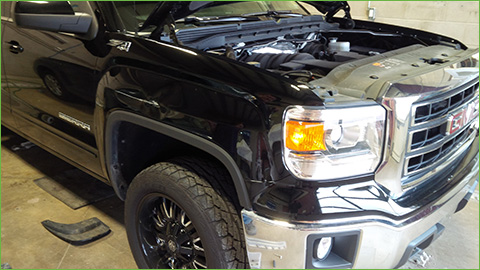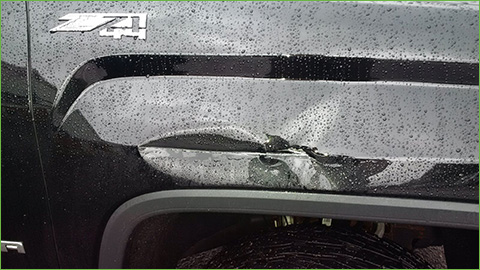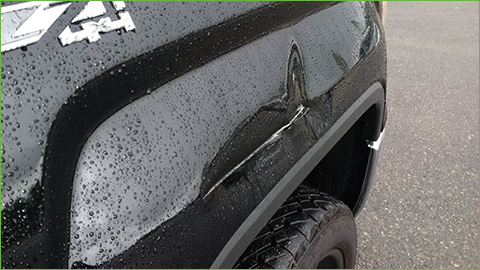


A shopping cart taps your door. A hailstorm leaves shallow marks across the hood. Someone opens their car door into your fender in a tight parking lot. These are small moments, but the dent is often the first thing you see every time you walk up to your vehicle. For paintless dent repair Burlington drivers can rely on, the right fix can restore the panel without repainting it or keeping your car in a shop for weeks.
Paintless dent repair, often called PDR, is a specialized method for removing certain dents while preserving the vehicle’s original paint. When the damage qualifies, it can be one of the most cost-effective ways to bring back a clean, well-kept appearance. The key is not simply finding a shop that offers PDR. It is getting an honest assessment of whether PDR is the right repair for your specific dent.
What Paintless Dent Repair Actually Does
Paintless dent repair works by carefully reshaping a damaged metal panel from behind the dent or, in some cases, by using a controlled pulling method from the outside. A trained technician uses specialized tools, lighting, and patient pressure to guide the metal back toward its original position.
There is no body filler, sanding, color matching, or repainting when the factory paint has remained intact. That matters because original factory paint is durable, consistent, and valuable to preserve. It also means a qualifying repair can often be completed faster than conventional bodywork.
The finished result should not look like a dent that was pushed around or merely made less noticeable. Quality PDR is about restoring the panel’s natural reflections so the repair blends into the rest of the vehicle. The best repairs are the ones you stop thinking about because you cannot find them anymore.
When Paintless Dent Repair in Burlington Is a Good Fit
PDR is especially effective for small to medium shallow dents with no broken paint. Door dings, shopping cart dents, minor creases, hail damage, and many dents caused by low-speed contact may be good candidates. Panels with accessible backsides, such as doors, hoods, trunks, and front fenders, are often easier to repair, though accessibility is only one part of the decision.
The location of the dent matters just as much as its size. A shallow dent in the center of a door may be repaired beautifully, while a smaller dent near a sharp body line, panel edge, or reinforced area may need more time and skill. Modern vehicles also use a mix of steel and aluminum panels, and both can be repaired with PDR in many situations, but they respond differently during the process.
Paint condition is the deciding factor in many cases. If the paint is cracked, chipped, or stretched beyond recovery, paintless dent repair alone may not be enough. A conventional repair with refinishing may be the better long-term solution. That is not bad news. It simply means the repair plan should protect both the panel and the final appearance rather than forcing a method that is not right for the damage.
Why Preserving Factory Paint Matters
Repainting a panel can be necessary after more serious damage, but it comes with additional work. The surface must be prepared, the color must be matched, and adjacent panels may need blending to make the repair visually consistent. A good body shop can produce excellent refinished results, but avoiding paintwork when it is not needed is often a real advantage.
With PDR, your original finish stays in place. That can help maintain the vehicle’s appearance and avoid the time involved in traditional paint and body repairs. It is also a practical option for newer vehicles, owners preparing to sell, and drivers who want to keep a lease-return inspection from turning into a costly surprise.
For leaseholders, a small dent can feel easy to ignore until the return appointment gets close. At that point, even minor cosmetic damage may lead to an assessment charge. Repairing qualifying dents before the inspection gives you more control over the cost and lets you make a decision based on a clear estimate instead of a last-minute bill.
Cost, Timing, and the Insurance Question
The cost of paintless dent repair depends on the dent’s size, depth, location, panel material, and access. A small door ding is not the same job as a deep dent across a body line, even if they look similar in a photo. This is why a quick visual assessment from an experienced technician is more useful than a one-size-fits-all price.
For minor damage, PDR can cost less than conventional repair because it eliminates repainting materials and much of the preparation work. Turnaround may also be shorter. Many cosmetic repairs can be handled within one to three days, depending on the vehicle, scheduling, and the amount of damage.
It is worth considering the insurance deductible before filing a claim for a small dent. If the repair cost is close to or below the deductible, paying directly may be the simpler choice. Even when coverage applies, some drivers prefer to reserve insurance claims for larger losses that truly warrant them. A straightforward estimate helps you compare the options without pressure.
What a Careful PDR Assessment Should Include
A proper estimate starts with more than a glance at the dent. The technician should inspect the panel under suitable lighting, check whether the paint is intact, and consider what sits behind the damaged area. Window mechanisms, bracing, wiring, sensors, and interior trim can affect access and repair time.
You should also receive a clear explanation of the likely result. In many cases, PDR can make the damage disappear. With unusually sharp dents, stretched metal, or damage in difficult locations, a technician may explain that the repair will be a substantial improvement rather than a perfect restoration. That kind of honesty is valuable. It sets the right expectation before work begins.
A photo can be helpful for an initial conversation, but an in-person inspection is usually the best way to confirm the repair approach. Lighting can hide depth, and the angle of a photo may make a dent look smaller or larger than it is.
PDR Versus Conventional Dent Repair
Paintless dent repair and conventional body repair are not competing answers to every problem. They are different tools for different kinds of damage. PDR is ideal when the panel can be reshaped while the paint remains sound. Conventional repair is often necessary when paint has been damaged, metal has been severely stretched, the panel has a sharp tear, or collision damage has affected alignment and safety-related components.
Sometimes the best plan combines services. A dent may need conventional correction and paint work, while nearby bumper scuffs, surface scratches, or dull paint can be addressed at the same visit. Looking at the vehicle as a whole can be more efficient than treating each cosmetic concern separately.
At Colorworks Express Autobody Burlington, the goal is to recommend the repair that makes sense for the damage, your timeline, and your budget. That may be paintless dent repair, express paint work, or a more involved collision repair. The right answer is the one that leaves your vehicle looking right and does not ask you to pay for unnecessary work.
How to Protect Your Vehicle After a Dent Repair
Once a dent has been repaired, regular washing and sensible parking habits go a long way. Keep an eye out for loose shopping carts, crowded parking spots, and narrow garage spaces. While no vehicle can avoid every door ding, choosing end spaces or leaving room beside larger vehicles can reduce the risk.
If your vehicle has paint protection film, a ceramic coating, or a carefully maintained finish, tell the repair professional before work begins. These products do not necessarily prevent PDR, but they should be considered when planning the repair. A shop that handles both appearance care and body repairs can help protect the finish after the dent itself is gone.
A dent does not need to become a major repair project. If the paint is intact and the panel is a good candidate, paintless dent repair can be a smart way to restore the look of your vehicle, protect its value, and get back to your routine with less disruption. Bring the vehicle in for a clear estimate, ask what result is realistic, and choose the repair that gives you confidence every time you see your car in the driveway.