How Collision Repairs Affect Your Car’s CARFAX Canada Report (And Resale Value)

Being involved in a collision is stressful enough, but many Canadian drivers also face deep anxiety regarding how the resulting accident history will impact their vehicle’s CARFAX Canada report and overall depreciation. When it’s time for a trade-in or private sale, a damaged CARFAX report can instantly raise red flags for potential buyers, often leading to a lower resale value. However, a collision on your record doesn’t automatically mean your car’s value will plummet. The critical factor that determines how much your vehicle depreciates is the quality, transparency, and documentation of the repairs performed to get it safely back on the road. Choosing a trusted, OEM Certified Collision Repair facility like Colorworks Autobody Centers is the best way to minimize value loss and reassure future buyers. When a CARFAX report shows an accident, prospective buyers and dealerships want documented proof that the vehicle was restored to pristine factory standards rather than hastily patched up. High-quality repairs backed by a reputable shop offer absolute transparency, turning a potential dealbreaker into a testament of proper vehicle care. Professional, certified repairs help preserve your vehicle’s resale value by providing: Ultimately, full transparency and certified workmanship will protect your investment when it is time

Read More »

Is Paint Protection Film (PPF) Worth It for Canadian Winters?

As a new or high-value vehicle owner, facing a harsh Canadian winter often brings up a critical question: “Is Paint Protection Film (PPF) actually worth the investment?” At Colorworks Autobody Centers, we see firsthand the toll that freezing temperatures, relentless road salt, and icy slush can take on a flawless factory clear coat. Without adequate protection, these winter elements quickly lead to micro-scratches, oxidation, and stubborn rust spots that compromise your vehicle’s aesthetic and resale value. While traditional waxing provides a temporary shield, modern solutions are engineered to create a durable, semi-permanent barrier between your pristine paint and the brutal winter roads. For car enthusiasts looking to avoid the heartbreak of a sandblasted bumper, investing in professional-grade protection isn’t just about preserving the shine—it’s a proactive defense strategy. When evaluating the best winter defense for your vehicle, it helps to understand how different protective layers combat specific seasonal hazards. At Colorworks Autobody Centers, we offer a range of autobody and cosmetic solutions that can be tailored to your daily driving habits to ensure your vehicle survives the season unscathed. To keep your exterior looking factory-fresh, consider how these popular protection options work together: Ultimately, the key takeaway for high-value or

Read More »

Why Autobody Estimates Vary So Much (And What to Look For)

When you receive an $800 quote from Shop A and a $2,200 quote from Shop B for seemingly identical bumper or fender damage, it is natural to feel confused. However, autobody repair estimates rarely vary due to random price markups; instead, they reflect fundamentally different approaches to safety, labor, and repair quality. A low-ball quote often represents a quick surface patch—pulling a dent out as best as possible, applying heavy body filler, and spraying paint directly onto the damaged panel without disassembling surrounding parts. Conversely, a comprehensive estimate from a trusted shop like Colorworks Autobody Centers accounts for the precise factory procedures, certified technician labor, and thorough teardowns necessary to restore your vehicle to its pre-accident condition both visually and structurally. The price gap between estimates almost always comes down to the critical repair steps hidden beneath the surface. When evaluating a higher-quality quote, look for these vital inclusions that lower estimates typically skip: Choosing the cheapest quote might save you money on day one, but shortcutting the repair process can lead to peeling paint, misaligned body panels, and compromised safety features down the road. At Colorworks Autobody Centers, backed by over 35 years of trusted collision repair expertise across

Read More »

Hit a Deer or Moose? Step-by-Step Guide to Wildlife Collision Repairs 

Hitting a deer or moose on a dark Canadian highway is a terrifying experience that happens all too often, but knowing what to do immediately after the impact is critical for your safety. If you find yourself in a wildlife collision, your first priority should be to safely pull over, turn on your hazard lights, and contact local authorities or emergency services if there are injuries or if the animal is blocking traffic. Avoid approaching the injured animal, as they can be unpredictable and dangerous. Once the scene is secure, document the damage thoroughly by taking clear photos of your vehicle and the surrounding environment, which will be absolutely essential when filing your insurance claim. At Colorworks Autobody Centers, we understand how stressful this situation can be, which is why our proudly Canadian team across Alberta, British Columbia, and Ontario is ready to guide you through the next steps of the recovery process. After the dust settles, getting a professional assessment of the damage is the most crucial step before getting back behind the wheel. Wildlife collisions often cause extensive hidden structural issues beyond just a dented hood or shattered headlights, potentially compromising your radiator, frame alignment, and advanced driver

Read More »

Damage Picture Tips

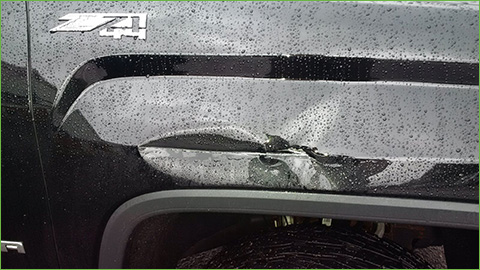
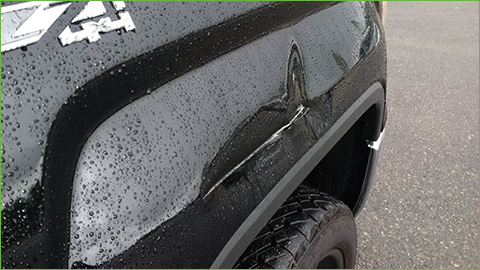
To help us better assess your damage, please use the following tips to take the best pictures possible to send us. Try and keep the resolution from medium to high. You can attach up to 5 pictures.
Take a picture from a distance so that we can see where the damage is in relation to your vehicle.
Take a close up, so we can see more of the detail of the damage.
A close up from another angle is always useful as well so we can see where the damage is in relation to other panels.

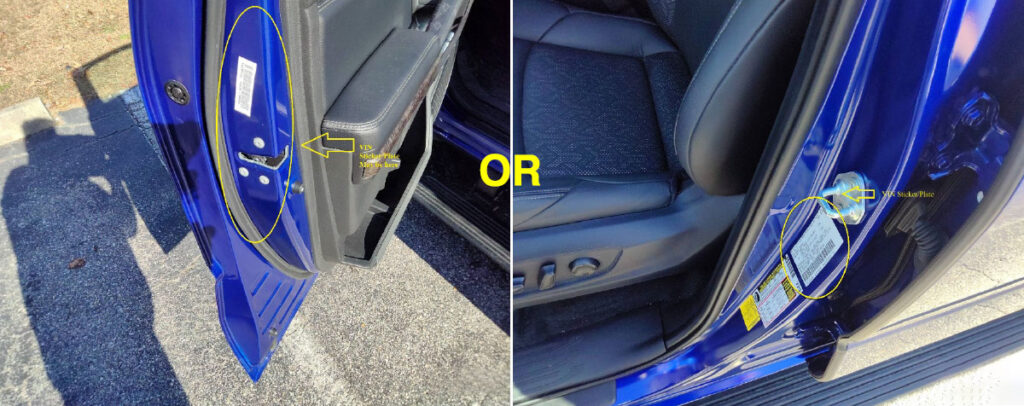
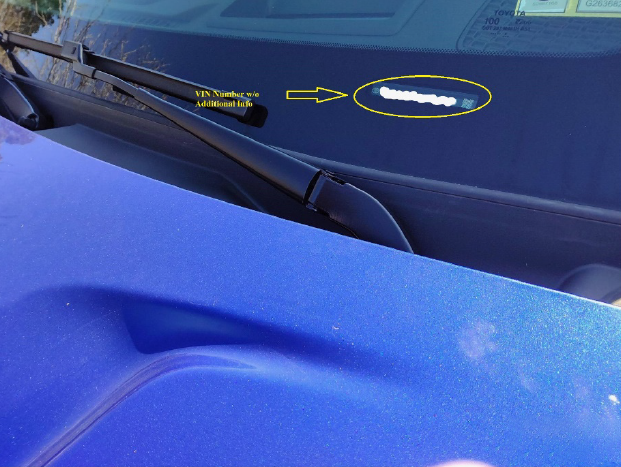
What is a VIN Number & Where to Find it

A VIN, or Vehicle Identification Number, is a unique 17-character alphanumeric code used to identify a vehicle. It acts as a vehicle’s fingerprint, containing information about its manufacturer, year, make, model, and other key specifications.

PLEASE NOTE: Your vehicle’s VIN# does not include any personal information about you.

Two pictures to show where to locate your vehicle VIN number.
picture to show where to locate your vehicle VIN number.