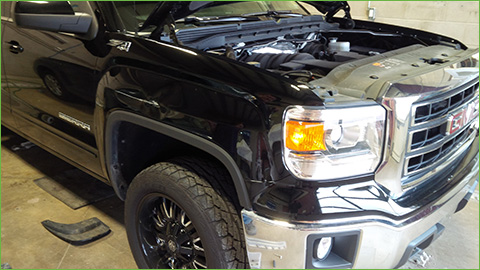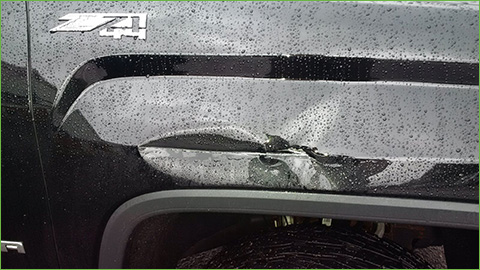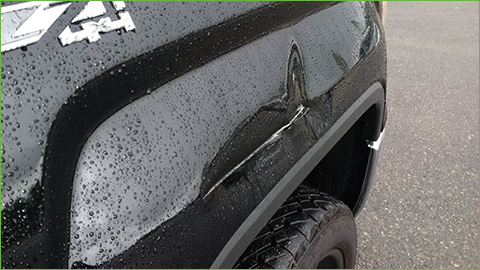


A shopping-cart ding can look small until it catches the light every time you walk up to your vehicle. The good news is that a dent does not automatically mean a costly body shop visit or an insurance claim. If you are asking, “how much does dent repair cost,” the honest answer is that it depends on the dent’s size, location, depth, and whether the paint is still intact.
For Burlington drivers, minor dent repair often costs far less than people expect, especially when paintless dent repair is an option. A quick professional estimate is the best way to get a real number, but understanding the factors behind the price can help you make a confident decision.
How Much Does Dent Repair Cost?
For minor cosmetic dents, many repairs fall into a few broad price ranges in Canadian dollars. A small, shallow door ding with undamaged paint may cost roughly $150 to $300. A medium dent, such as one from a parking-lot impact or an opened car door, may be closer to $300 to $600. Larger, sharper, or harder-to-reach dents can range from $600 to $1,200 or more, particularly if conventional bodywork and paint refinishing are needed.
These are useful starting points, not a quote. Two dents that look similar in a photo may require very different repairs. One may be gently massaged back into shape from behind the panel. The other may have stretched metal, cracked paint, or sit directly on a body line. That difference changes both the repair method and the cost.
A quality estimate should explain what the technician sees, which repair approach makes sense, and why. That clarity matters more than choosing the lowest number without knowing what is included.
What Determines Dent Repair Pricing?
Size and depth of the damage
Small, shallow dents are generally the most affordable to repair. The metal has not moved far, and a technician can often restore the panel with paintless dent repair. Deep dents take more time because the metal may be stretched or folded inward. A sharp crease can also require more precise work than a smooth, rounded dent.
The visible width is only part of the story. A dent the size of a quarter may be surprisingly complex if it is deep, while a larger but gentle indentation may be repaired efficiently.
Where the dent is located
Access is a major part of the job. Dents in the center of a door or fender are often easier to reach from behind the panel. Damage near a wheel opening, door edge, roof rail, reinforcement brace, or inner structural section can be more difficult.
Technicians may need to remove trim panels, lamps, liners, or interior components to gain safe access. That additional labor affects the estimate, but it also helps ensure the work is completed properly without creating new rattles, marks, or fitment issues.
Paint condition
Paintless dent repair is often the best-value option when the factory paint is still flexible and unbroken. The technician uses specialized tools to gradually return the metal to its original shape, without filler or repainting. The result can preserve your vehicle’s original finish, reduce downtime, and keep costs lower.
If the paint is chipped, cracked, or scuffed, the panel may need conventional repair and refinishing. That process can involve minor bodywork, primer, color matching, clear coat, and blending into nearby panels when necessary. It costs more than paintless repair, but it is the right solution when the finish cannot be saved.
Body lines, creases, and material
Modern vehicles are designed with strong character lines, sculpted doors, and lightweight materials. A dent on a flat panel is usually more straightforward than one crossing a sharp body line. Aluminum panels can also behave differently than steel and may require a technician with the right experience and equipment.
There is no benefit in forcing a fast repair where the panel needs more careful work. The goal is not simply to make the dent less noticeable. It is to restore the panel so it looks right in natural light from different angles.
Paintless Dent Repair vs. Conventional Body Repair
Paintless dent repair, often called PDR, is ideal for many door dings, minor parking-lot dents, hail damage, and shallow impacts. Because there is no repainting, it is usually faster and more affordable. Many small PDR jobs can be completed within a day, depending on the damage and shop schedule.
Conventional repair is better when paint has been damaged, the metal is badly stretched, or the dent has created a sharp crease that cannot be returned cleanly with PDR alone. It may take longer because refinishing requires proper preparation, curing, and quality checks. For a newer vehicle, accurate color matching and a durable finish are worth the extra care.
Neither method is automatically better. The best method is the one that gives you a lasting, nearly invisible result without paying for work the damage does not require.
When a Dent May Cost More Than Expected
Some repairs become more involved for reasons that are not obvious from the outside. A dent near a sensor, camera, door handle, or trim piece may require careful disassembly. Damage to a bumper cover can hide broken retainers or tabs. A dent on a panel that has been previously repaired or repainted may also need a different approach.
Luxury vehicles, specialty finishes, and certain factory paint colors can raise refinishing costs as well. Pearl, tri-coat, matte, and highly metallic colors demand extra attention to achieve a consistent match. This is one reason a shop should inspect the vehicle in person rather than promise an exact price from a single distant photo.
Should You Make an Insurance Claim for a Dent?
For a minor dent, paying out of pocket is often worth considering. Your deductible may be close to, or even higher than, the repair cost. A claim can also affect future premiums depending on your policy and claims history.
Insurance may make more sense when the dent is part of a larger collision, multiple panels are damaged, or there is possible structural or safety-related damage. If you are uncertain, start with a free repair estimate. You can then compare the cost with your deductible and decide whether filing a claim is the right move for your situation.
A trustworthy shop should help you understand your options, not pressure you into an unnecessary claim.
Dent Repair Before a Lease Return or Sale
Small dents can become expensive at lease return, where wear-and-tear charges are often based on replacement or full-panel repair standards. Fixing cosmetic damage before the inspection gives you more control over the work, cost, and result.
The same is true when selling or trading in your vehicle. A clean, well-kept exterior sends a strong message that the vehicle has been cared for. Repairing a visible dent will not always increase a trade-in offer dollar for dollar, but it can improve first impressions and help protect resale value.
Getting a Fair Dent Repair Estimate
When comparing estimates, ask whether the price includes all required work, including panel access, paint materials, blending, reassembly, and taxes where applicable. A very low quote may not account for the finish quality needed to make the repair look right once you are outside in daylight.
Photos can help start the conversation, but an in-person assessment is the most reliable way to price dent repair. At Colorworks Express Autobody Burlington, the focus is on recommending the most practical repair for the damage, whether that means paintless dent repair or a more complete refinishing process.
Before you live with that door ding for another season, get a clear estimate and a straightforward explanation of your options. A small repair completed well can make your vehicle feel like yours again.