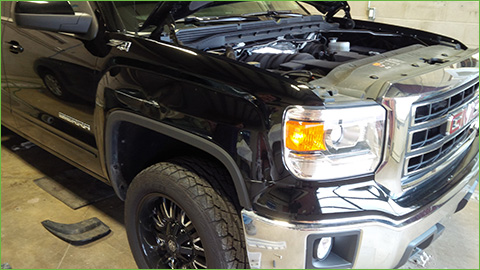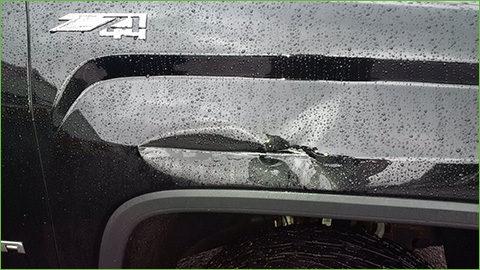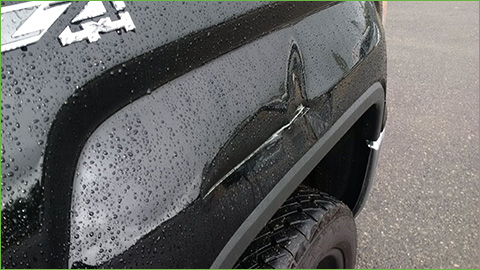

A scrape on the bumper after a tight parking lot turn can make an otherwise well-kept vehicle feel neglected. Same day car paint repair is designed for that kind of frustrating, localized damage: a scratch, scuff, paint transfer, or small chip that needs professional attention without leaving your vehicle in a shop for a week.
For Burlington-area drivers balancing work, school runs, commutes, or a lease return, speed matters. But speed should never mean a quick cover-up that looks fine for a month and fails when the weather changes. The right express repair combines proper surface preparation, color matching, controlled paint application, and polishing so the repaired area blends naturally with the surrounding panel.
What Same Day Car Paint Repair Can Fix
Same-day service is usually best suited to minor cosmetic damage rather than collision damage. Think bumper scuffs from a low-speed encounter, shallow scratches along a door, paint rubbed on from another vehicle, or small areas where the clear coat has been marked but the panel itself remains sound.
A technician first determines how deep the damage goes. If a mark is sitting on top of your vehicle’s finish, it may be paint transfer that can be safely removed and polished. If the clear coat is scratched, paint correction may reduce or remove the mark without repainting. When the color layer has been damaged, a localized paint repair may be the better answer.
The repair is not limited to cars. SUVs, trucks, and vans often pick up the same everyday damage, especially on plastic bumper corners, door edges, rocker panels, and mirror housings. These are common areas for cosmetic repairs because they take the brunt of crowded parking lots, garage walls, curbs, and loading gear.
When a Repair Can Be Done the Same Day
The size, location, and condition of the damaged area determine whether an express turnaround is realistic. A small bumper scuff may be repaired in hours when the panel does not need reshaping, replacement, or extensive blending. A chip or scratch on a single panel can also be a good candidate when there is no corrosion, cracked plastic, or hidden impact damage.
The paint itself matters, too. Solid colors are often more straightforward to blend than certain metallic, pearl, matte, or tri-coat finishes. That does not mean specialty finishes cannot be repaired well. It simply means the technician may need more time to achieve an invisible match, especially if the damage sits near the center of a large, highly visible panel.
Weather, paint-curing requirements, and the shop’s schedule can also affect timing. A professional shop should be honest if the best repair needs a day or two rather than promising same-day work at the expense of quality. Many minor repairs can be completed quickly, while more involved cosmetic work is often finished within one to three days.
Damage That Usually Needs More Time
A fast paint repair is not the right solution for every vehicle. If the bumper is split, the metal is creased, rust has formed, a panel is pushed out of shape, or a sensor and mounting point may be affected, the repair needs a more complete assessment. Damage that reaches the primer or bare metal may also require additional preparation to protect the panel from moisture and future corrosion.
Collision damage deserves particular care. What looks like a simple scuff can sometimes hide broken clips, distorted bumper reinforcement, or damage behind the visible panel. A proper estimate protects you from paying twice: once for a cosmetic touch-up and again when a deeper issue becomes obvious later.
Why Professional Preparation Makes the Difference
The temptation to use a touch-up pen or an aerosol can is understandable. For a tiny stone chip in an inconspicuous area, a careful DIY touch-up may be enough to help protect exposed metal. But most visible scratches and bumper scuffs need more than paint applied over damaged material.
A lasting repair begins with cleaning and assessing the panel. The damaged area may need sanding, feathering, filling, priming, or plastic preparation before color is applied. The technician then matches the vehicle’s paint code while accounting for age, sun exposure, and normal variation in the existing finish. Finally, the repaired area is clear coated, cured, and polished to restore gloss.
Skipping those steps can leave rough edges, a dull patch, a color mismatch, or peeling paint. On a newer vehicle, those flaws stand out immediately. On a leased vehicle, they can become the kind of condition issue that leads to an unexpected charge at turn-in.
The Cost Question: Pay Directly or Use Insurance?
For minor cosmetic damage, many drivers are better off getting a clear out-of-pocket estimate before contacting insurance. A deductible may cost as much as, or more than, the repair itself. Even where a claim is covered, using insurance for a small scuff can create unnecessary hassle and may affect future premiums depending on your policy and claims history.
That does not mean insurance is never appropriate. If there is substantial collision damage, another party is involved, or the repair cost is significant, filing a claim may make sense. The practical first step is to understand the scope of damage and receive a transparent repair recommendation.
At Colorworks Express Autobody Burlington, the goal is to help drivers choose the repair path that makes financial sense, not push every small blemish into an insurance claim. A free estimate gives you a realistic view of what can be repaired, how long it should take, and what the finished result will involve.
Protecting Resale Value and Lease-Return Value
Small paint damage does more than affect curb appeal. Scratches, scuffs, and chipped paint can make a vehicle look less cared for, even when it has been mechanically maintained. That perception matters when you are selling privately, trading in, or returning a lease.
For leaseholders, an express paint repair before inspection can be a smart way to address normal parking-lot damage on your own terms. Leasing companies may assess damage based on their own standards and pricing, not necessarily on the most cost-effective local repair option. Repairing obvious cosmetic issues beforehand gives you more control over the outcome.
For owners planning to keep their vehicle, timely paint repair can help prevent a small break in the finish from becoming a larger problem. This is especially true when bare metal is exposed or when damage is located on lower panels that see road salt, water, and debris.
How to Get the Best Result From an Express Repair
Before booking, take a few clear photos in good light, including one close-up image and one that shows the full panel. This helps communicate the location and size of the damage, though an in-person inspection is still the best way to confirm the repair plan.
Avoid aggressively rubbing the area with household cleaners, abrasive pads, or harsh solvents. You may turn a small repair into a larger one by dulling the clear coat or spreading transferred paint across the panel. If you need to clean the vehicle before an estimate, use a gentle automotive wash and leave the damaged area otherwise untouched.
Be clear about your priorities. If you are preparing for a lease return, say so. If the vehicle is nearly new and appearance is your top concern, mention that as well. A good repair center can explain whether polishing, paintless dent repair, a localized refinish, or a more complete panel repair will give you the result you expect.
A small scratch does not need to disrupt your week, but it does deserve more than a rushed fix. Get the damage looked at early, ask what is genuinely possible in a day, and choose workmanship that lets you enjoy seeing your vehicle in the driveway again.