

A freshly detailed vehicle can look fantastic on pickup day, but Burlington driving puts that finish to work quickly. Highway grit, winter road salt, tree sap, bird droppings, UV exposure, and frequent washing all take a toll. Ceramic coating Burlington vehicle owners choose is not just about a deeper shine. Done properly, it is a practical way to make quality paint easier to maintain and better protected from the mess that comes with everyday driving.
The key is understanding what ceramic coating can do, what it cannot do, and why the preparation underneath it matters as much as the coating itself.
What a Ceramic Coating Actually Does
A ceramic coating is a liquid polymer applied to properly prepared exterior surfaces. Once it cures, it forms a thin, durable protective layer that bonds with the clear coat. That layer creates a slick, water-repellent surface, so rainwater tends to bead and roll away more easily. Dirt, dust, and road film are less likely to cling as tightly, which makes regular washing faster and safer.
The visual change can be just as noticeable. On paint that has been polished and corrected first, a ceramic coating adds clarity and gloss. Dark colors often look richer, while lighter vehicles gain a cleaner, sharper finish. Wheels, trim, glass, and painted surfaces may also benefit from the right coating product and application process.
For many drivers, the real value is consistency. Your vehicle stays easier to clean between appointments and retains that well-cared-for appearance longer than it would with wax alone.
What Ceramic Coating Does Not Do
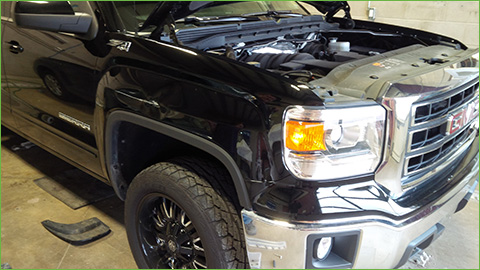
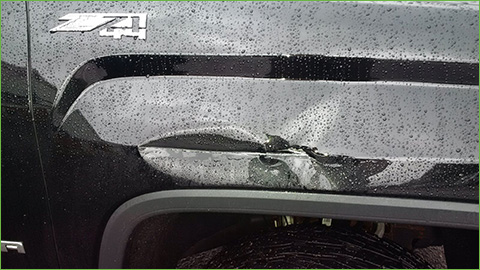
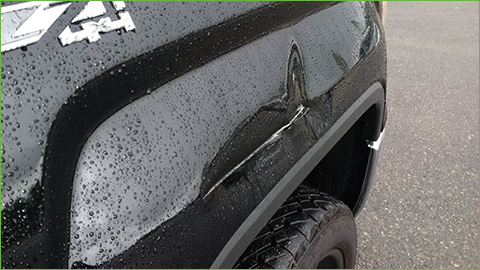
A ceramic coating is strong protection, but it is not a force field. It will not stop a shopping cart from denting a door, prevent a rock chip on the highway, or repair peeling clear coat. It also will not make deep scratches disappear.
That distinction matters when deciding where to spend your money. If your vehicle has bumper scuffs, paint scratches, oxidation, swirl marks, or small dents, those concerns should be assessed before coating. Applying a coating over visible defects can preserve the problem beneath it rather than improve it.
Ceramic coating also does not eliminate maintenance. You will still need to wash your vehicle, especially after winter driving or exposure to bird droppings and tree sap. The advantage is that contaminants are generally easier to remove when you stay on top of them.
Why Paint Correction Comes First
Paint correction is the polishing process used to reduce or remove surface defects in the clear coat, such as wash swirls, light scratches, haze, and dullness. It is often the step that creates the dramatic before-and-after result people associate with ceramic-coated vehicles.
A professional will inspect the paint first. Some vehicles need only a light polish to refine the finish. Others, particularly older vehicles or those washed frequently with brushes, may need more extensive correction. The right approach depends on paint condition, paint thickness, vehicle age, and the result you want to achieve.
This is not the place to rush. Ceramic coating locks in the condition of the finish at the time it is applied. If the paint is glossy, smooth, and properly decontaminated, the coating can enhance and protect that work. If the paint is dull or heavily scratched, coating alone will not create a like-new result.
Is Ceramic Coating Worth It for Burlington Drivers?
For newer vehicles, leased vehicles you plan to keep looking sharp, and cars with paint that has already been corrected, ceramic coating can be a very worthwhile investment. It reduces the effort required to keep the exterior clean and helps protect the finish from the environmental contaminants that are hard to avoid around Burlington and the GTA.
It can also make sense for owners who care about resale value. A vehicle with clean, glossy paint and fewer visible wash marks makes a better impression when it is time to sell, trade in, or return a lease. It does not replace regular maintenance or repair, but it supports the overall condition buyers and lease inspectors notice.
The answer depends on how you use your vehicle. A garage-kept weekend car and a daily commuter that travels the QEW face very different conditions. A coating may provide greater day-to-day benefit for the commuter, while a weekend vehicle may be a better candidate for a high-gloss correction and premium protection package. A clear estimate should explain the prep work, the coating type, and the expected care requirements without overselling the result.
Ceramic Coating vs. Wax or Paint Sealant
Wax remains a good option for drivers who want a temporary shine boost at a lower upfront cost. It can look great, but it wears away relatively quickly and usually needs to be reapplied more often. Traditional paint sealants typically last longer than wax and offer solid protection, but they do not usually provide the same durability or water behavior as a professional ceramic coating.
Ceramic coating costs more initially because the process involves thorough washing, chemical decontamination, clay treatment when needed, paint correction, careful application, and curing time. You are paying for skilled preparation as well as the product.
For a vehicle you plan to trade in soon, a detail and paint enhancement may be the more sensible choice. For a vehicle you expect to own for years, the longer-term convenience and paint protection of ceramic coating can justify the investment. The best option should fit the vehicle, your budget, and your ownership plans.
How to Care for a Ceramic-Coated Vehicle
Proper care helps a coating perform as intended. Avoid taking a freshly coated vehicle through an automatic wash until the coating has cured according to the installer’s instructions. After that, use touchless washing when possible or a gentle hand-wash method with clean tools and pH-balanced vehicle soap.
Avoid abrasive brushes, harsh degreasers, and dirty wash mitts. These can mar the surface over time, even when a coating is present. Wash off bird droppings, bug residue, and tree sap as soon as practical. Ceramic protection gives you more time than bare paint, but these contaminants should not be left sitting for days or weeks.
Winter deserves extra attention. Salt and brine can build up in door jambs, wheel wells, lower panels, and behind trim. Regular rinsing protects more than the finish – it also helps preserve the areas where corrosion can begin. A coated vehicle is easier to clean, but it still benefits from a consistent schedule.
Choosing the Right Shop for Ceramic Coating in Burlington
The coating brand on the bottle matters less than the preparation and workmanship behind it. Ask what condition the paint is in, whether correction is recommended, which surfaces will be coated, and how you should care for the vehicle afterward. A reputable shop should be straightforward about limitations, expected durability, and pricing.
Look for an appearance specialist that understands paint, not just detailing products. The same team should be able to identify whether a scratch needs polishing, touch-up, express paint repair, or a more involved bodywork solution before recommending a coating. That kind of assessment can save you from paying to protect damage that should have been repaired first.
At Colorworks Express Autobody Burlington, ceramic coating can be paired with paint correction and cosmetic repair work, so the vehicle is prepared as a complete finish rather than treated as a quick add-on. The goal is simple: a quality repair every time, followed by protection that helps the result last.
A good coating should make ownership feel easier, not more complicated. Start with an honest look at your paint, choose protection that fits how you drive, and keep up with gentle regular washing. Your vehicle will have a better chance of looking cared for through every season.