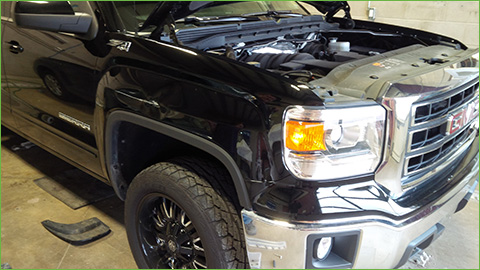


A scratch can make an otherwise well-kept vehicle feel tired every time you walk up to it. Whether it came from a tight parking space, a shopping cart, road debris, or a garage mishap, car scratch repair Burlington drivers choose should do more than hide the mark. It should restore the finish so the repair blends naturally with the rest of the vehicle.
The right fix depends on how deep the damage goes, where it is located, and what condition the surrounding paint is in. A light mark may polish out quickly. A scratch through the paint needs a more precise repair to prevent exposed metal or plastic from becoming a larger problem.
Start by Finding Out How Deep the Scratch Is
Modern vehicle paint is built in layers. There is usually a clear protective topcoat, a colored basecoat, primer, and then the panel material underneath. The deeper the scratch reaches, the more involved the repair becomes.
A simple at-home check can offer a clue. If the mark looks white or hazy but you cannot catch it with a fingernail, it may be limited to the clear coat. These surface marks often respond well to professional polishing or paint correction. The goal is to level the damaged area carefully without taking too much clear coat off the panel.
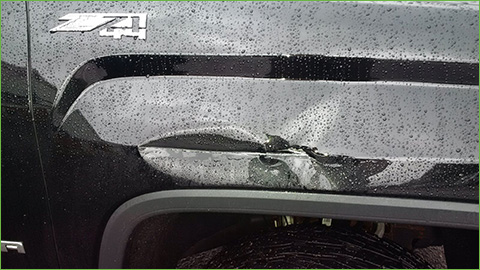
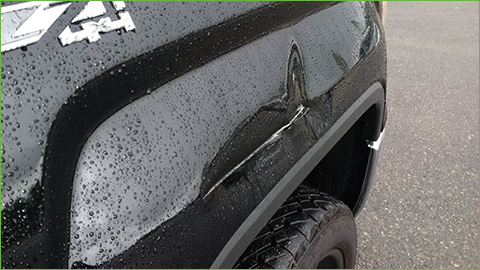
If your fingernail catches in the scratch, or you can see a different color beneath the paint, it likely needs more than a polish. A dark line, bare metal, gray primer, or exposed bumper plastic means the protective paint layers have been compromised. Those areas should be repaired before moisture, road salt, and contamination have time to work their way in.
When Polishing Is the Right Repair
Light clear-coat scratches, paint transfer, and scuffs are often the best candidates for polishing. Paint transfer is especially common after brushing against another vehicle, a pole, or a painted garage wall. What looks like a major scratch may actually be another material sitting on top of your vehicle’s finish.
Professional polishing uses the right compounds, pads, and technique for the paint condition. This matters because aggressive polishing can create haze, uneven gloss, or thin spots in the clear coat. A trained technician evaluates the panel first, then removes only what is necessary to improve the finish.
Polishing is a good value when the paint is intact and the vehicle has widespread wash marks, dullness, or light scuffing around the scratch. It can make the repaired area look better while improving the appearance of the panel as a whole. It is not the answer for every defect, though. No amount of polishing can replace missing color or protect exposed metal.
Why Touch-Up Paint Is Not Always Enough
Touch-up paint has a place, particularly for very small stone chips. But a visible scratch along a door, bumper, or quarter panel can look worse when touched up without proper preparation. Factory paint has metallic flakes, pearl effects, texture, and gloss levels that are difficult to match with a brush or pen.
A quality repair may involve cleaning and sanding the damaged area, applying primer where needed, rebuilding the color layer, and refinishing the clear coat. The technician also needs to blend the repair so it does not look like a small patch from a few steps away. That attention to color and finish is what separates a quick cover-up from a repair that looks right in daylight.
Bumper Scratch Repair Takes a Different Approach
Bumpers are frequently scratched because they sit at the height of curbs, parking blocks, and other vehicles’ bumpers. Unlike metal panels, most bumpers are plastic. They will not rust, but deep scratches can still leave the surface rough, expose raw plastic, and hurt the vehicle’s appearance and resale value.
Minor bumper scuffs can often be repaired without replacing the entire bumper cover. Depending on the damage, the process may include cleaning away paint transfer, sanding the affected area, repairing surface texture, applying flexible coatings, and blending color into the surrounding finish.
Replacement may be the better choice if the bumper is cracked, torn, badly distorted, or has damaged mounting points. For ordinary scuffs and scratches, however, repair is often faster and more cost-effective than installing a new bumper. A proper assessment prevents paying for replacement when a focused cosmetic repair will deliver the result you need.
Express Repairs Can Save Time and Stress
A scratch does not always mean your vehicle needs to spend weeks at a body shop. Many cosmetic repairs can be completed in one to three days, depending on paint curing time, panel condition, parts availability, and the size of the damaged area.
Express repair is especially useful for commuters, busy families, and leaseholders who need their vehicle back quickly. The process is designed around minor damage that can be repaired efficiently without compromising workmanship. The trade-off is that extensive collision damage, structural concerns, or multiple severely damaged panels may require a more traditional repair timeline.
At Colorworks Express Autobody Burlington, the starting point is a clear assessment and a free estimate. You should know whether your scratch needs polishing, localized refinishing, bumper repair, or a larger paint repair before agreeing to the work. Straight answers help you decide what makes sense for your vehicle and budget.
Should You Make an Insurance Claim for a Scratch?
For a small cosmetic scratch, an insurance claim is not always the best financial choice. Your deductible may be close to, or even higher than, the repair cost. A claim can also affect future premiums depending on your policy and claims history.
Paying directly for a minor repair can be the practical option when the damage is limited and the estimate is manageable. It keeps the repair simple and gives you control over the work. On the other hand, insurance may make sense when scratches are part of a larger accident, several panels are damaged, or there may be hidden issues behind the visible damage.
The key is to get an estimate first rather than assuming a claim is necessary. A reputable repair center can explain the repair options in plain language, so you can make the call with the actual cost in front of you.
Protect the Repair After the Work Is Done
Once the scratch has been corrected, a few habits can help preserve the finish. Regular washing removes road film, salt, and contaminants that can dull paint over time. Use clean microfiber towels and proper automotive wash products rather than household cleaners or rough brushes.
Parking a little farther from crowded entrances, leaving room beside tight spaces, and avoiding automatic car washes with abrasive brushes can also reduce new marks. For vehicles with corrected paint, a professional wax, sealant, or ceramic coating can add gloss and make routine cleaning easier. These products are protective layers, not armor, but they can help the finish hold up better against everyday grime and minor surface wear.
Lease-return drivers should not wait until the final week to inspect their vehicle. Small scratches, bumper scuffs, wheel damage, cloudy headlights, and paint defects can add up quickly at turn-in. Addressing cosmetic issues early gives you more control over cost and helps the vehicle present well when it is assessed.
Choose a Repair That Matches the Damage
The best car scratch repair is rarely a one-size-fits-all service. A light clear-coat mark may only need careful polishing, while a deep key scratch needs refinishing to protect the panel and restore its appearance. The right repair is the one that looks natural, lasts, and does not ask you to pay for more work than the damage requires.
If a scratch is bothering you every time you see it, bring the vehicle in for an honest estimate before it becomes another item on the to-do list. A small repair handled properly can make your car feel like your car again.