

Cadillac with glossy ceramic coating finish parked outdoors.

Ceramic Coating vs. Wax: Ultimate Protection for Your Canadian Vehicle

Canadian drivers know that our seasons are tough on car paint—from intense summer UV rays to the sticky mess of tree sap and acidic bird droppings. While traditional waxing has been the go-to for decades, ceramic coating has revolutionized paint protection by offering a semi-permanent chemical bond that wax simply can’t match. At Colorworks, we specialize in helping you choose the right shield for your vehicle to ensure its showroom shine lasts through every environmental challenge, from the humid Maritimes to the bright prairies. When comparing ceramic coating vs. wax for ultimate protection, the primary difference lies in durability and chemical resistance. Ceramic coating provides a hard, hydrophobic layer that prevents contaminants from etching into your clear coat, whereas wax acts as a temporary sacrificial layer that can melt away in high heat or wash off after a few heavy rains. Here is why ceramic coating is the superior choice for defending against the elements: Whether you are looking for the classic glow of a high-quality wax or the long-term peace of mind provided by a professional-grade ceramic coating, Colorworks is your trusted partner for automotive care. Our certified technicians across Canada specialize in precision paint correction and protection to

Read More »
Customer receiving vehicle keys at Colorworks auto service location.

Lease Return Rescue: Save Hundreds on Your Vehicle Turn-In

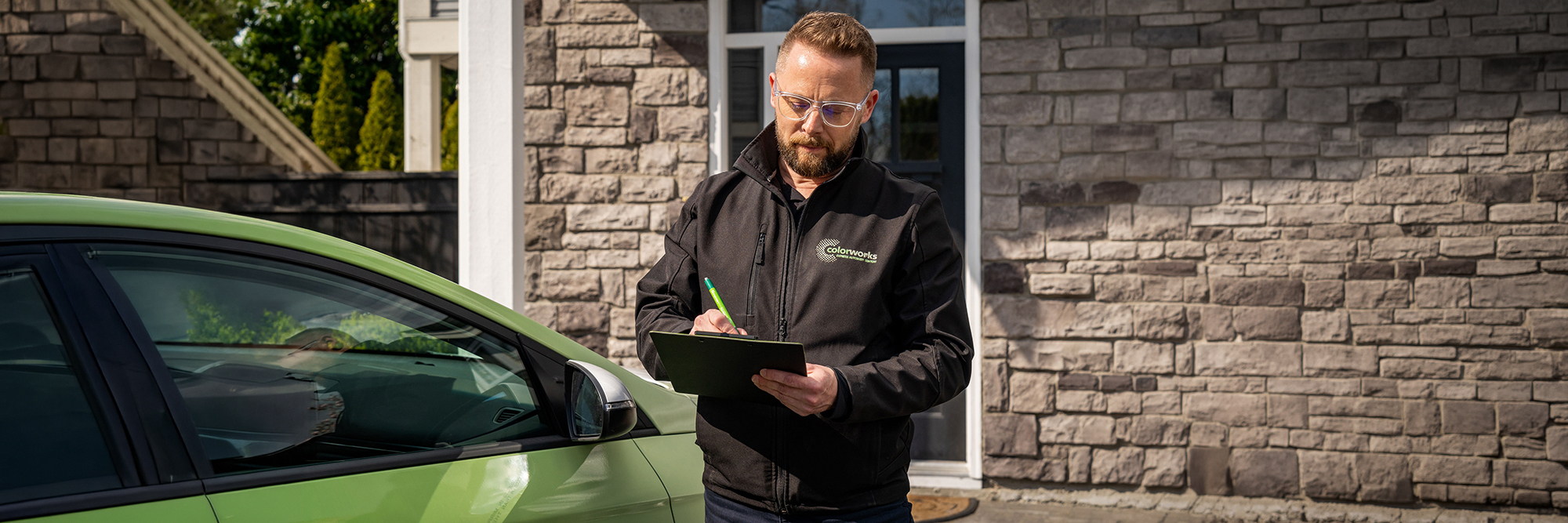
As your lease agreement nears its end, the excitement of a new car often comes with the looming stress of the final inspection. Many Canadian drivers are caught off guard by “excess wear and tear” charges, where minor imperfections you’ve lived with for years suddenly translate into hefty penalties. Dealerships often charge premium rates to replace entire panels or bumpers for damage that could have been repaired for a fraction of the cost. At Colorworks, we are lease return specialists who help you navigate this process by identifying and fixing “chargeable” damage before the inspector sees it, keeping those hundreds—or even thousands—of dollars in your pocket. Most leasing companies use a standard “wear and tear” guide, such as the two-inch rule or the “credit card test,” to determine what you’ll be billed for. If a scratch is too deep or a dent is too large, you are on the hook for the repair at the dealer’s inflated shop rates. Our certified technicians use SMART (Small Medium Area Repair Technique) to provide high-quality, invisible repairs that meet manufacturer standards. Common lease-return issues we can rescue include: Don’t let a few small dings turn into a major financial headache at the dealership.

Read More »

Damage Picture Tips

To help us better assess your damage, please use the following tips to take the best pictures possible to send us. Try and keep the resolution from medium to high. You can attach up to 5 pictures.
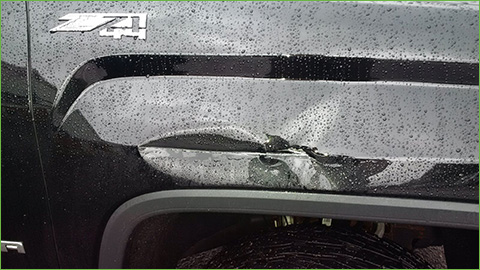
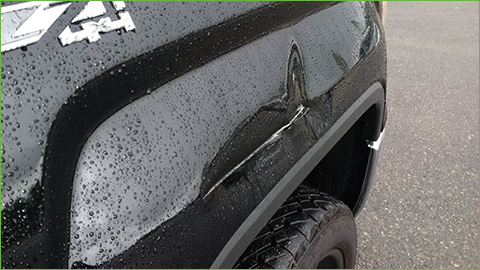
Take a picture from a distance so that we can see where the damage is in relation to your vehicle.
Take a close up, so we can see more of the detail of the damage.
A close up from another angle is always useful as well so we can see where the damage is in relation to other panels.

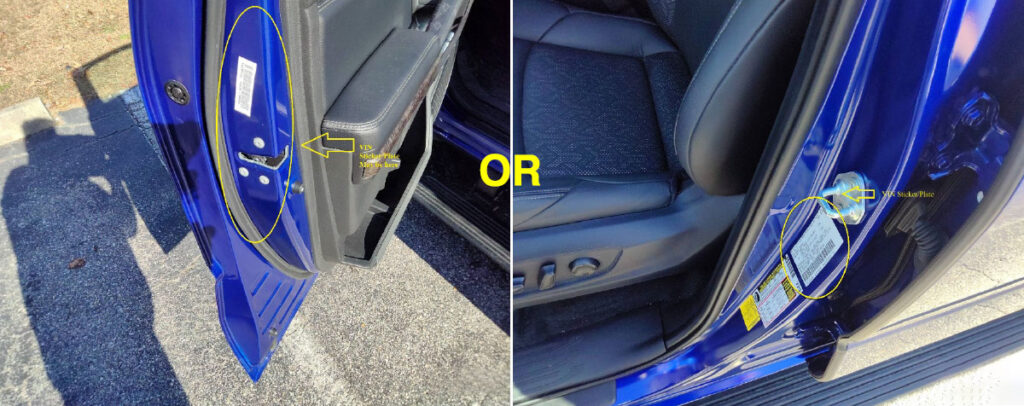
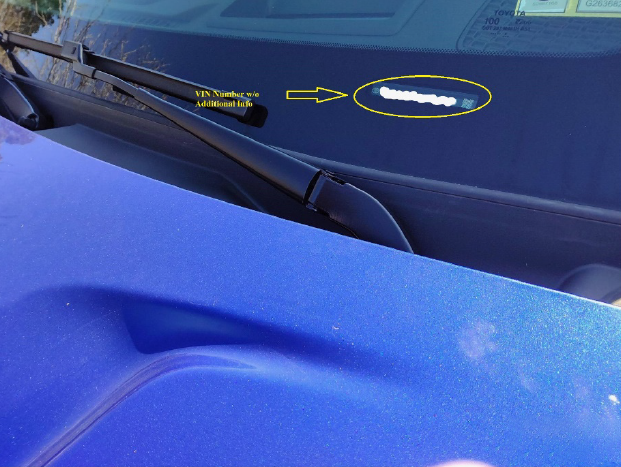
What is a VIN Number & Where to Find it

A VIN, or Vehicle Identification Number, is a unique 17-character alphanumeric code used to identify a vehicle. It acts as a vehicle’s fingerprint, containing information about its manufacturer, year, make, model, and other key specifications.

PLEASE NOTE: Your vehicle’s VIN# does not include any personal information about you.

Two pictures to show where to locate your vehicle VIN number.
picture to show where to locate your vehicle VIN number.