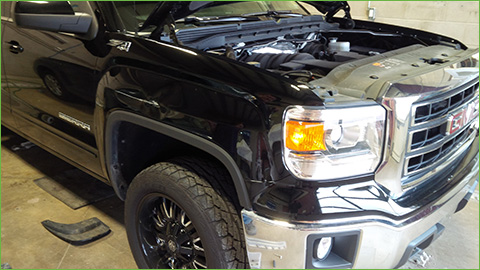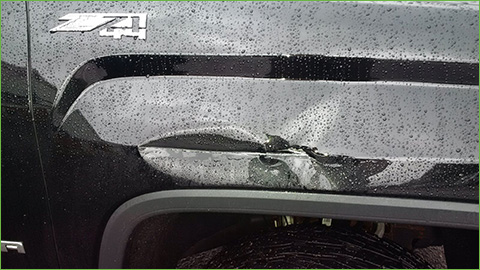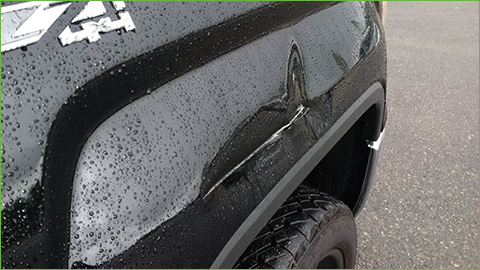


In the past, a minor “fender bender” was strictly a cosmetic concern—a bit of body filler, some fresh paint, and your car was as good as new. However, for modern Canadian drivers, the bumper has evolved from a simple plastic sacrificial shield into a “smart skin” packed with sophisticated technology. Hidden just beneath that outer layer are the eyes and ears of your vehicle, known as Advanced Driver Assistance Systems (ADAS). When a bumper is impacted, even if the exterior damage looks negligible, the delicate alignment of these sensors can be disrupted, making professional recalibration a critical safety requirement rather than an optional add-on.
Because these systems rely on precision, a shift of even a few millimeters can cause your safety features to fail or provide “ghost” warnings. During a standard bumper repair, our technicians must ensure the following components are perfectly synced:
- Ultrasonic Sensors: These govern your parking assists and proximity warnings.
- Radar Units: Usually mounted behind the bumper cover, these enable Adaptive Cruise Control and Automatic Emergency Braking.
- Blind Spot Monitors: Often located in the rear corner of the bumper, these keep you safe during highway lane changes.
- Cameras: Surround-view and backup cameras that require specific digital alignment to stitch together a seamless image.
Ignoring recalibration after a collision isn’t just a technical oversight; it’s a significant safety risk on unpredictable Canadian roads. A misaligned sensor might not “see” a pedestrian in time or could incorrectly trigger your brakes while driving at high speeds. At our shop, we use specialized diagnostic tools to reset these systems to factory specifications, ensuring your vehicle’s safety tech behaves exactly as the manufacturer intended. When it comes to modern autobody work, “looking good” is only half the job—making sure your car’s digital brain is accurately mapped to the physical world is what truly keeps you protected.
The first step is to find a Colorworks location near you. Click here.