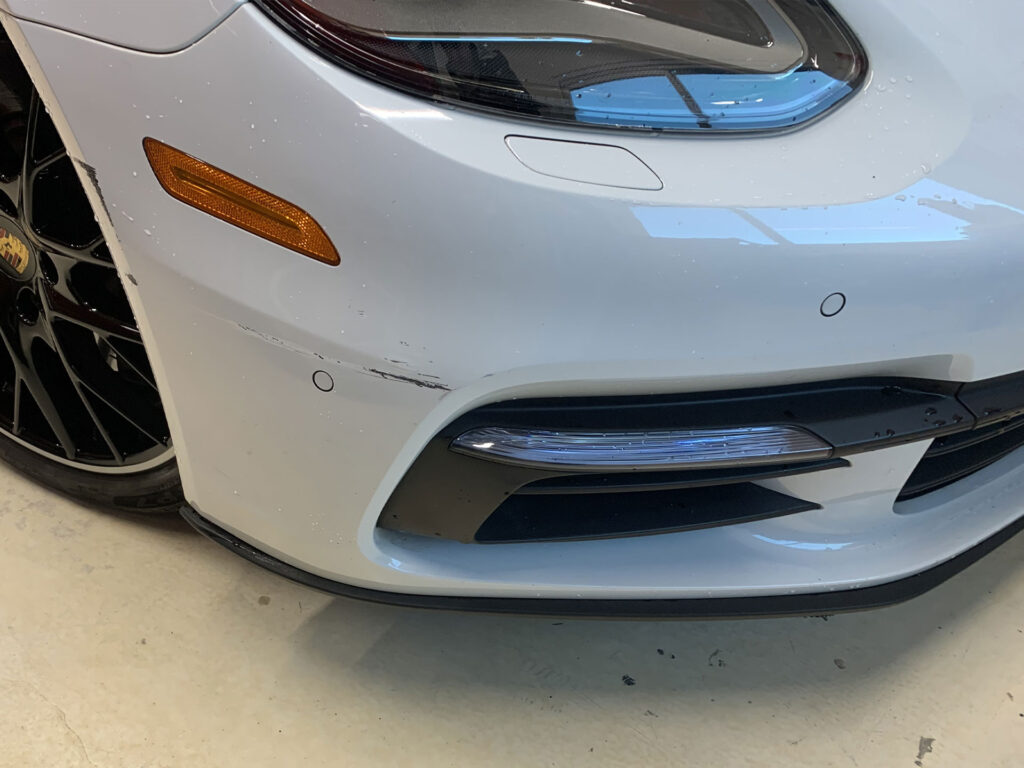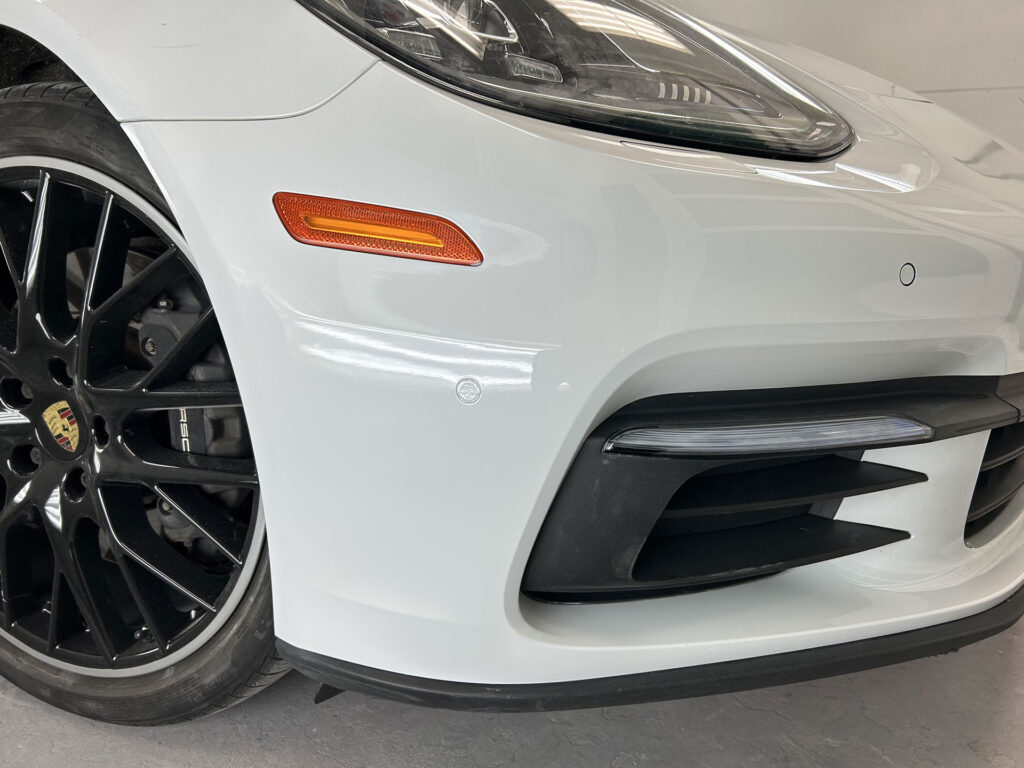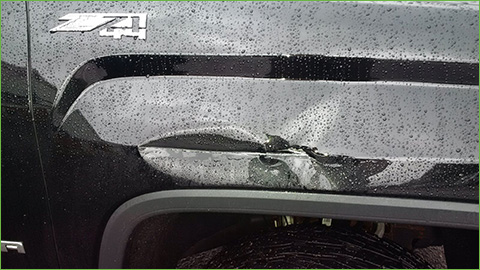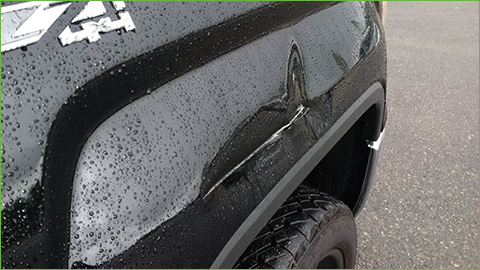


Every Canadian driver knows the sinking feeling of discovering a fresh chip or scratch on their car’s finish. When it comes to minor repairs, a DIY touch-up pen can be an effective and budget-friendly solution for tiny “flea bites” or rock chips that haven’t yet reached the metal. These pens are designed for small, isolated areas where the goal is simply to cover the blemish and prevent rust. However, if the damage covers a larger surface area, involves deep gouges, or if you can see bare metal or plastic, a DIY fix often results in a patchy, uneven texture that can actually hurt your car’s resale value.
At Colorworks, we see many “DIY repairs gone wrong” that eventually require a professional respray to fix correctly. Professional repair is essential when the structural integrity of the paint is compromised or when you need a seamless, invisible finish. Our Canadian technicians use advanced computerized color-matching technology to ensure the new paint blends perfectly with your existing coat—something a generic retail pen simply cannot do. You should opt for a professional service if you notice the following:
- Deep Scratches: Any damage that you can catch your fingernail in or that exposes the underlying primer or metal.
- Clear Coat Peeling: Large areas of “sunburn” or oxidation that require sanding and a full clear coat application.
- Spiderweb Cracking: Often caused by minor impacts, these cracks indicate the paint has lost its bond with the body panel.
- Large Surface Areas: If the scratch is longer than a few centimeters, a touch-up pen will leave visible ridges and an inconsistent sheen.
- Leased Vehicles: To avoid heavy “excess wear and tear” charges when returning a lease, a professional invisible repair is a must.
Ultimately, while a touch-up pen is a great tool for your glovebox to handle minor road debris, it isn’t a substitute for the precision of a professional auto body shop. Choosing Colorworks ensures that your vehicle’s protective layers are fully restored, preventing long-term corrosion and maintaining that showroom shine. Don’t let a small scratch turn into a big problem; visit one of our convenient locations across Canada for a free expert assessment.