


Navigating the Charge: How EVs Are Transforming Canadian Autobody Repair
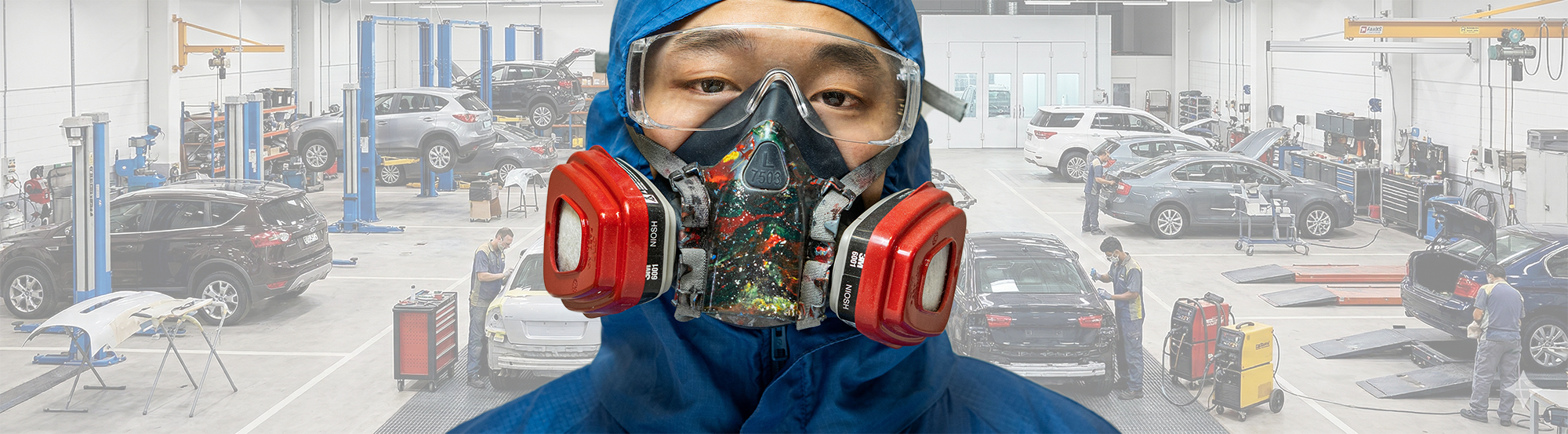
The landscape of the Canadian automotive industry is undergoing its most significant transformation in decades, driven by the rapid adoption of electric vehicles (EVs). From bustling hubs like Vancouver and Toronto to communities across the country, more drivers are making the switch to electric, motivated by government incentives and environmental concerns. However, this shift means far more to the autobody repair sector than simply learning a new type of engine. It has fundamentally altered how collision centers must approach vehicle safety, technician training, and facility infrastructure to meet the unique demands of this growing fleet. Repairing an electric vehicle is a profoundly different process than servicing a traditional internal combustion engine vehicle. The primary consideration is safety; the high-voltage battery systems in EVs introduce risks, such as electric shock and thermal runaway, that require stringent new safety protocols, specialized personal protective equipment (PPE), and dedicated, insulated tools. Furthermore, EVs are engineering marvels designed for efficiency, often utilizing advanced, lightweight materials like aluminum, carbon fiber, and composites. These materials cannot be repaired with traditional steel-working techniques; they require specialized welding equipment, distinct repair bays to prevent cross-contamination, and specific adhesive bonding methods to restore their structural integrity safely. At Colorworks, we