


The Lease Return Checklist: Fix These 5 Things Before You Hand the Keys Back to the Dealer

Handing back the keys to your leased vehicle should feel like a milestone, not a financial ambush. In Canada, dealership “excess wear and tear” guidelines are notoriously strict, and those minor mishaps from daily driving can quickly add up to a massive penalty bill at the return desk. Dealerships typically charge premium rates for reconditioning repairs—costs they pass directly onto you. By taking a proactive look at your vehicle a few weeks before your lease expires, you can spot the exact imperfections that inspectors love to flag and address them on your own terms. To ensure you walk away with your wallet intact, you need to audit your vehicle for the top five cosmetic issues that consistently trigger lease-return penalties. While dealerships tolerate a reasonable amount of everyday use, anything that passes the standard “credit card test” (damages larger than a credit card) or exposes bare metal will cost you. Before your official inspection, make sure you check for and repair these common problem areas: Don’t let the dealership dictate what you owe for a few minor, everyday blemishes. Bringing your vehicle to Colorworks Express Autobody Centers before your scheduled turn-in date gives you control back, offering fast, professional, and

Read More »

Collision Repair vs. Express Repair: What’s the difference and which do you need?

Navigating the world of autobody work can be confusing, especially when you’re staring at a fresh scratch or a dented bumper. At Colorworks Express Autobody Centers, we specialize in Express Repair, which utilizes SMART (Small and Medium Area Repair Technique) technology. Unlike traditional shops that might keep your car for weeks to repaint an entire side, Express Repair focuses specifically on the damaged area. This approach is designed for cosmetic “drivable” damage—the kind of nicks, dings, and scrapes that happen in parking lots or tight driveways. By targeting only the affected zone, we can typically have your vehicle back to showroom quality in just 1 to 3 days, often for less than the cost of your insurance deductible. Full Collision Repair, on the other hand, is required when a vehicle has sustained significant structural or mechanical damage. If your airbags deployed, your frame is bent, or panels need to be completely replaced rather than repaired, you are looking at a collision-scale job. These repairs ensure the safety and structural integrity of your vehicle are restored to factory standards after a major accident. While Colorworks offers full collision services at our locations, the primary difference lies in the scope and the

Read More »

Navigating the Dent: How to Spot a Quality Canadian Autobody Shop

Whether it’s a minor shopping cart ding or a more serious collision, finding a reliable repair partner is the first step toward getting your life back to normal. In Canada, where road conditions and salt can complicate even simple repairs, choosing the right team is about more than just aesthetics—it’s about structural integrity and long-term safety. At Colorworks Express Autobody Centers, we believe that transparency is the hallmark of a great shop. A reputable center should offer a clear, professional environment and be more than willing to walk you through their process before a single tool touches your vehicle. What Makes a Shop “The Best”? The difference between a “good enough” repair and a factory-finish restoration often lies in the details. When evaluating a shop, look for indicators of professional standards and technical expertise. A top-tier facility will prioritize communication and use high-quality materials that stand up to our harsh Canadian climate. Here are the green flags to look for: Avoiding the Red Flags On the flip side, a “bad” shop can leave you with mismatched paint, structural issues, or even a voided vehicle warranty. Be wary of any facility that pressures you into an immediate decision or offers a

Read More »

Choosing the Right Fit: OEM, Aftermarket, and Used Parts Explained

When you bring your vehicle into Colorworks Express Autobody Centers, we know that the technical jargon can feel a bit overwhelming. One of the most important decisions you’ll make during the repair process involves the type of parts used to bring your car back to its former glory. Understanding the terminology is the first step in ensuring your vehicle remains safe and retains its value. Generally, the industry categorizes replacement components into three main buckets: The “best” choice usually depends on your specific situation—including your insurance policy, your budget, and the age of your vehicle. While a brand-new car might demand the exact precision of an OEM part to maintain its warranty, a high-quality aftermarket or used part can be a savvy way to save money on a trusty daily driver without sacrificing safety. Our team at Colorworks is dedicated to transparency, helping you weigh these options so you can make an informed decision. At the end of the day, our priority at Colorworks Express Autobody Centers is getting you back on the Canadian roads with total peace of mind. Whether we are swapping out a bumper or realigning a frame, we use our expertise to ensure every component—regardless of

Read More »

Damage Picture Tips

To help us better assess your damage, please use the following tips to take the best pictures possible to send us. Try and keep the resolution from medium to high. You can attach up to 5 pictures.
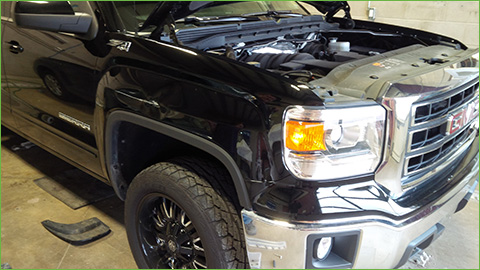
Take a picture from a distance so that we can see where the damage is in relation to your vehicle.
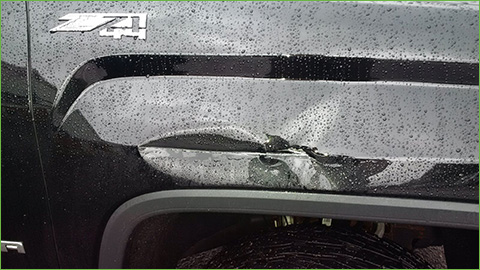
Take a close up, so we can see more of the detail of the damage.
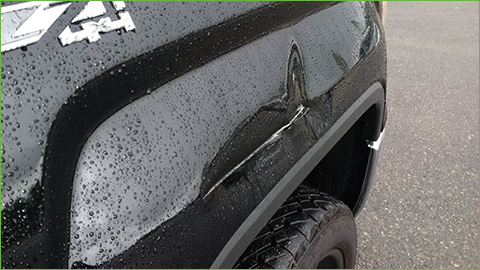
A close up from another angle is always useful as well so we can see where the damage is in relation to other panels.

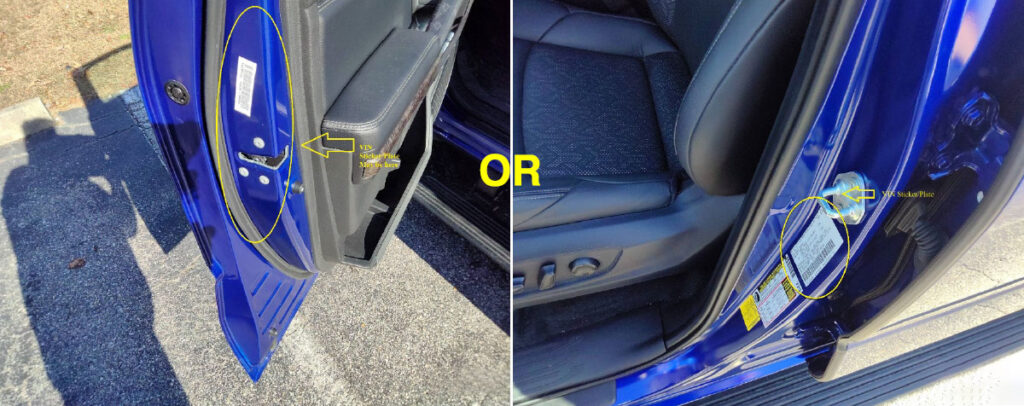
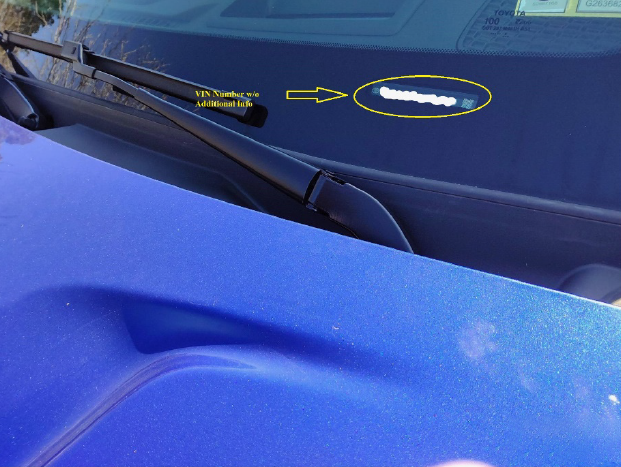
What is a VIN Number & Where to Find it

A VIN, or Vehicle Identification Number, is a unique 17-character alphanumeric code used to identify a vehicle. It acts as a vehicle’s fingerprint, containing information about its manufacturer, year, make, model, and other key specifications.

PLEASE NOTE: Your vehicle’s VIN# does not include any personal information about you.

Two pictures to show where to locate your vehicle VIN number.
picture to show where to locate your vehicle VIN number.